
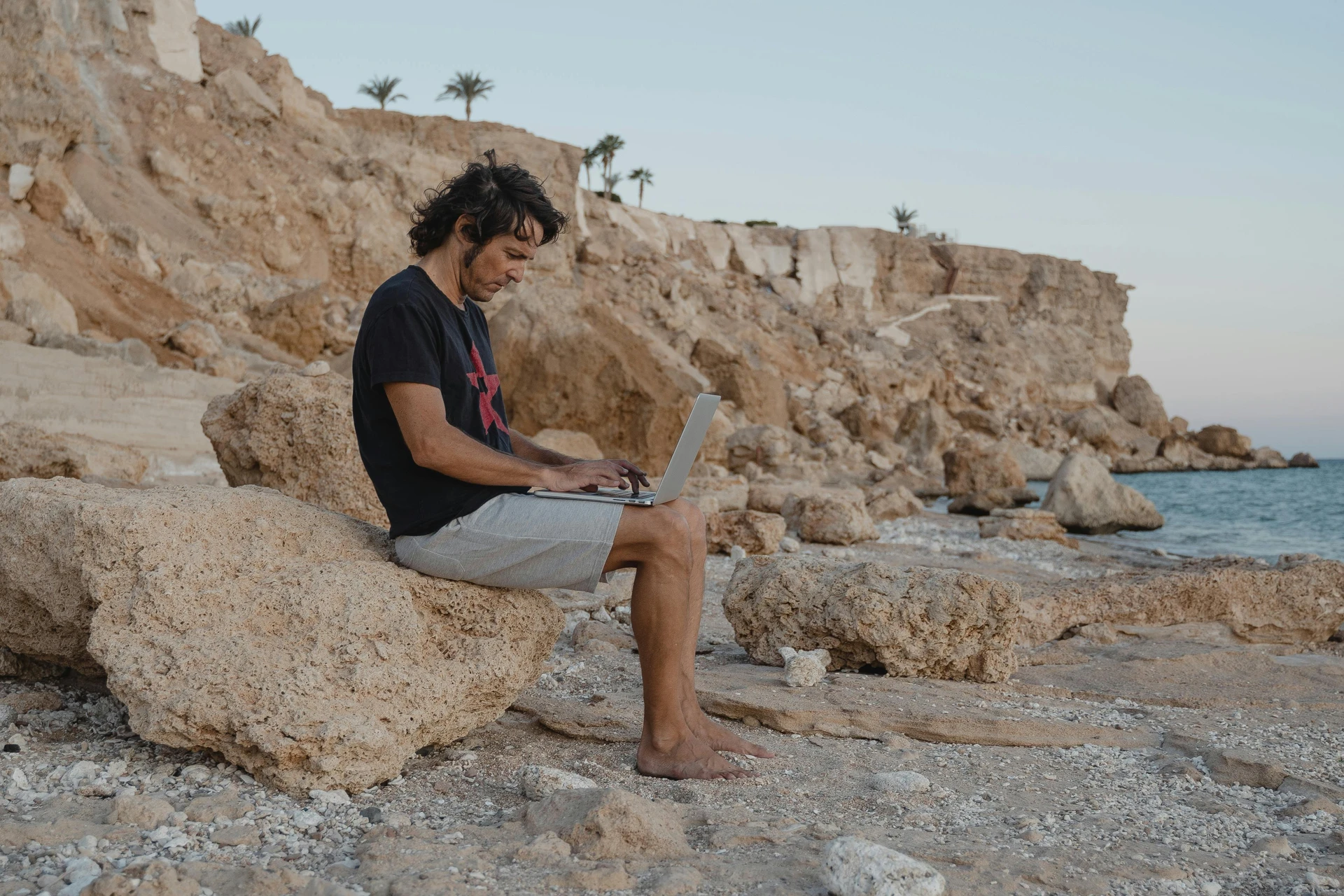
Why bleisure travel requires separate rules in corporate policy
Companies face a new reality: 64% of employees extend business trips for personal leisure, according to a 2024 SAP Concur study. The problem lies not in the phenomenon itself, but in the absence of clear rules. When a travel manager receives a booking request marked "plus three days for myself," chaos ensues: who pays for insurance, who owns bonus miles, does the corporate health policy cover an injury on a day off.
Without a regulated bleisure travel policy, companies risk overpaying for unused hotel nights, losing control over duty of care, and violating tax legislation. An employee injured during personal time on an extended trip may file a lawsuit, claiming the business trip was never officially concluded.
Three financial risks ignored by 80% of companies
First risk: tax reassessments. If the company pays for a round-trip flight and the employee stays over the weekend, tax authorities may recognize personal days as taxable benefit. According to audit firm PwC (2023 corporate travel report), average reassessments amount to 13% of ticket cost when improperly documented.
Second risk: double accommodation expenses. An employee books a hotel for five business days through the corporate system, then extends two personal days independently. The company loses corporate discounts (typically 15-25%), while the employee pays retail prices. Allowing extension within the same booking saves up to 40% for both parties.
Third risk: insurance coverage. Corporate policies only cover working hours. If an employee rents a car for the weekend and has an accident, the repair bill comes to the company if the car was booked on a corporate card. One such case at a Moscow IT company in 2023 cost 780,000 rubles.
How to create a bleisure travel policy in five steps
Step 1: Define who qualifies for bleisure
Not all business trips suit combination. Set criteria: minimum business portion duration (for example, three days), distance from office (from 500 km), frequency (no more than once per quarter per employee). Such restrictions prevent abuse.
Example: a manufacturing company with 350 employees allowed bleisure only for trips lasting four or more business days. Over the year, requests totaled 22, allowing manual processing without automation.
Step 2: Define financial responsibility
Divide expenses into three categories:
- Company pays: round-trip flight at corporate rate (if dates don't change), accommodation on business days, airport-hotel transfer on arrival and departure days.
- Employee pays: additional hotel nights, meals on personal days, entertainment, ticket date changes (if this increases cost).
- Grey zone: car rental extension. We recommend prohibiting this or requiring a separate contract for personal days.
Important nuance: if postponing the return flight three days later reduces cost by 20% (common with international flights), the company may pay for the new ticket while the employee compensates the accommodation difference. This benefits both parties.
Step 3: Regulate the approval process
Bleisure requests must be submitted at least 14 days before travel. Approval chain: direct manager (confirms absence is not critical) → travel manager (verifies policy compliance) → financial controller (separates expenses in the system).
Use a separate project code or cost center for personal days. This simplifies tax reporting and audits. In the GetOffers booking system, you can configure automatic expense separation by dates.
Step 4: Resolve insurance and duty of care issues
Corporate insurance must clearly end at 23:59 on the last business day. Offer employees three options:
- Purchase travel insurance independently (average cost 800-1,500 rubles for three days).
- Extend corporate policy at their own expense (if the insurance company allows).
- Travel without insurance at their own risk (requires written confirmation).
Mandatory policy clause: "The company bears no responsibility for events occurring after the business portion of the trip ends." This protects you from lawsuits.
Step 5: Set rules for loyalty programs
Miles and loyalty points accumulated during business trips often become disputed. Three approaches:
- Liberal: all bonuses belong to the employee (motivates use of corporate suppliers).
- Strict: all bonuses to corporate account (difficult to control).
- Hybrid: bonuses from business days to employee, from personal days also to employee, but only when using corporate suppliers.
Most companies choose the first option, as administration costs exceed benefits from bonus centralization.
Checklist for corporate policy inclusion
Your bleisure travel policy must contain:
- Term definition (what counts as bleisure versus personal trip)
- Eligibility criteria (position, tenure, frequency, geography)
- Request procedure (deadlines, form, approval chain)
- Financial rules (who pays what, how to split bills)
- Booking requirements (can dates be changed, service class)
- Insurance and liability (where duty of care ends)
- Work obligations (can you require availability on personal days)
- Visa issues (who pays for multiple-entry visa instead of single-entry)
- Reporting (what documents to provide)
- Violation penalties (from warning to one-year bleisure ban)
Each item must contain specific numbers and deadlines. Phrasing like "within reasonable limits" doesn't work.
How to automate bleisure travel control
Manual request processing takes 40-60 minutes per trip. With ten bleisure trips monthly, that's 10 hours of travel manager work. Automation reduces time to 5-7 minutes.
Configure booking system rules:
- Automatic blocking of requests not meeting criteria (for example, trips shorter than three days)
- Booking split into two segments: corporate and personal
- Separate booking codes for business and personal days
- Notifications to accounting with expense breakdown
- Integration with approval system (so requests automatically go to managers)
The GetOffers platform allows creating a separate trip profile for bleisure with preset limits and payment rules. Employees see which portion of expenses the company covers while still selecting hotels.
Tax nuances consultants don't mention
If an employee flies Moscow-Barcelona-Moscow and the company pays the full ticket although three of seven days are personal, taxable income arises. Correct method: book two separate reservations (Moscow-Barcelona for work, Barcelona-Moscow for leisure) or calculate proportion.
Taxable benefit formula: (ticket cost / total days) × personal days. This amount requires 13% income tax withholding and insurance contributions. Example: ticket costs 35,000 rubles, trip is 7 days (4 business, 3 personal). Taxable benefit: 35,000 / 7 × 3 = 15,000 rubles. Income tax: 1,950 rubles.
Many companies avoid this bureaucracy by requiring employees to independently book return tickets for personal dates. This is legal but inconvenient: corporate discounts are lost, logistics become complicated.
Case study: how a retail company reduced turnover by 18%
An electronics retail chain with regional offices in 40 cities introduced bleisure travel policy in early 2024. Previously, regional managers traveled to headquarters 6-8 times yearly for 2-3 days, returning exhausted.
The new policy allowed extending Moscow trips over weekends at their own expense (accommodation and meals). The company paid for flights and hotels on business days. Condition: minimum four business days in the office.
Year results:
- 34% of managers used the opportunity (average twice per year)
- Turnover among regional staff dropped from 28% to 10%
- Average office stay increased from 2.3 to 4.1 days (more time for training and meetings)
- Additional company expenses: zero (flights didn't increase in price, hotels booked for same dates)
Key success factor: transparent rules published on the corporate portal with calculation examples and FAQ.
Mistakes that turn bleisure into a headache
First mistake: allowing bleisure verbally without writing it into policy. After six months, a precedent emerges that everyone else references, demanding special conditions.
Second mistake: not separating expenses in the accounting system. When an auditor requests a business travel report, you can't separate corporate costs from mixed ones.
Third mistake: allowing service class changes. An employee books business class for themselves, claiming they're "flying on personal time anyway." But if the company pays the base ticket, it's still corporate money.
Fourth mistake: not accounting for visa complications. Bleisure may require a multiple-entry visa instead of single-entry business visa. Who pays the difference? Write this in advance.
How to measure bleisure policy effectiveness
Track four metrics:
- Percentage of employees using bleisure (norm: 15-30% of those who travel regularly for business)
- Average booking savings (from changing flight dates)
- Number of disputes and conflicts (should be close to zero with clear policy)
- Employee business travel satisfaction index (quarterly survey)
If more than 40% of bleisure requests are rejected, the policy is too strict. If fewer than 5% of employees use the opportunity, it's insufficiently known or unattractive.
What to do with international trips
Bleisure on international business trips requires special attention. Check:
- Visa regime (tourist visa may be cheaper and easier than business visa)
- Currency control (how to report personal expenses abroad)
- Host country labor law (in some jurisdictions, extended stays change tax status)
- Corporate agreements (if you have a hotel contract for special rates, extension may violate terms)
For trips to countries with visa requirements, we recommend limiting bleisure to employees who already have valid multiple-entry visas.
Template clause for corporate policy
Section: Combining business travel with personal leisure (bleisure travel)
Employees may extend business trips for personal purposes when meeting conditions:
- Business portion lasts minimum three full business days
- Request submitted 14 calendar days before departure
- Approval received from direct manager and travel manager
- Extension doesn't increase flight cost by more than 10%
Company pays: round-trip flight (if dates don't change cost), accommodation on business days, transfer on arrival and departure days.
Employee pays: accommodation on personal days, meals and entertainment, insurance for leisure period, visa fees beyond business visa.
Corporate insurance and duty of care end at 23:59 on the last business day. The company bears no responsibility for events occurring during personal time.
Booking is processed through the corporate system with separation into two segments. Employee receives two confirmations: corporate (for reporting) and personal (for own records).
This template can be adapted to your company's specifics by adding limits by position or geography.
FAQ
Must the company pay for flights if an employee extends a business trip over the weekend?
The company pays for round-trip flights if date changes don't increase ticket cost by more than 10%. If postponement reduces ticket price, the company may pay it fully while the employee compensates the accommodation cost difference. All conditions must be written in the corporate bleisure travel policy.
Who pays insurance for personal days during bleisure travel?
Corporate insurance only covers business days. For personal days, employees purchase travel insurance independently (average cost 800-1,500 rubles for three days) or extend corporate policy at their own expense if the insurance company allows. The company bears no responsibility for events occurring after the business portion ends.
How to separate accommodation expenses for bleisure travel for accounting?
Create two separate booking codes or cost centers: one for business days (charged to business travel expenses), another for personal days (employee pays). In the GetOffers booking system, you can configure automatic separation by dates. This simplifies tax reporting and protects against auditor claims.
Is income tax withholding required if the company pays for tickets covering the entire trip including personal days?
Yes, taxable benefit arises. Formula: (ticket cost / total days) × personal days. This amount requires 13% income tax withholding and insurance contributions. To avoid this, book two separate reservations or require employees to independently book return tickets for personal dates.
What criteria should be set for bleisure travel eligibility?
Recommended criteria: minimum business portion three days, distance from office 500 km or more, frequency no more than once per quarter per employee. Requests must be submitted 14 days before travel with manager and travel manager approval. Such restrictions prevent abuse and simplify administration.
How to automate bleisure travel request processing?
Configure automatic rules in the booking system: block requests not meeting criteria, split into corporate and personal segments, separate booking codes, notifications to accounting with expense breakdown. The GetOffers platform allows creating a separate trip profile for bleisure with preset limits, reducing processing time from 40-60 minutes to 5-7 minutes.
Ready to automate business travel?
GetOffers — AI platform for corporate travel management. Save 15–30% on business travel.
Related posts
Business Trip Budget Optimisation: 7 Strategies for 2026
Cut business travel costs by 18–34% without sacrificing quality. Proven budget optimisation strategies with concrete figures and implementation examples.

Per Diem vs Actual Expense: Choosing a Reimbursement Method in 2026
Comparing per diem and actual expense: tax implications, hidden accounting costs, and real savings for companies with varying business travel volumes.

One-Day Business Trips: Processing, Expenses & Accounting
A breakdown of documentation, per diem calculations, and tax nuances for one-day business trips without overnight stays. Ready-made checklists and examples for accounting.
Sustainable Corporate Travel Program: 2026 Implementation
Step-by-step plan for implementing green booking criteria with cost calculations, policy examples, and TMC integration. Ready solutions for travel managers.

Short vs Multi-Day Business Trips: Duration Changes in 2026
Real data analysis reveals how business trip duration shifted in 2026. Numbers, reasons, and practical recommendations for optimizing corporate travel.
Employee Safety on Business Trips: Why Travelers Ignore Risks
Why do 68% of business travelers not know how to act in an emergency abroad? We examine real risks and concrete steps to protect personnel.