
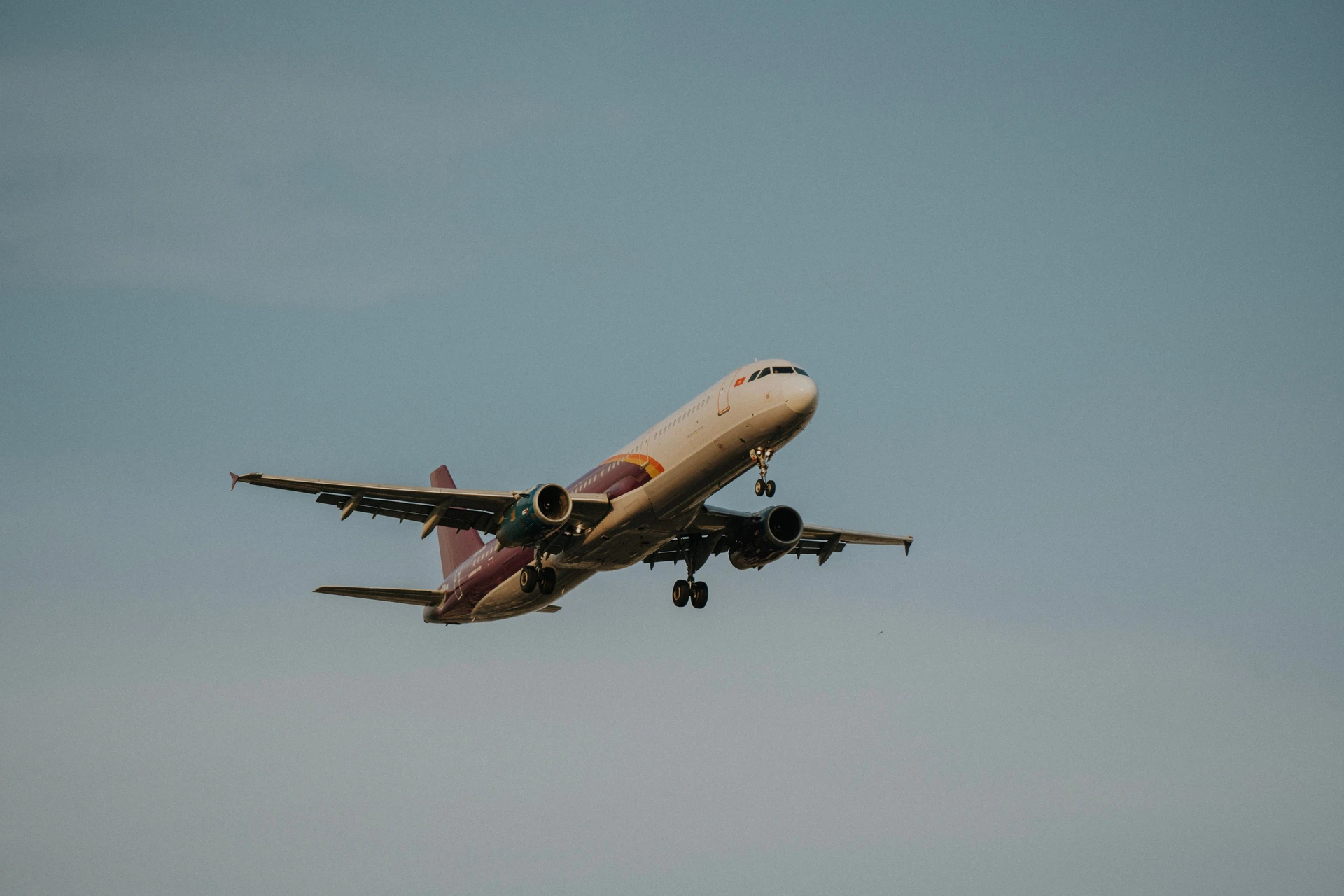
Real Cost of Business Class on Short Routes
According to IATA data for 2025, the average business class premium on flights lasting up to three hours stands at 280% above the base economy fare. On Moscow-Saint Petersburg routes, the difference reaches 12,000-15,000 rubles one way, while flight time rarely exceeds 90 minutes.
Travel managers at large companies face this dilemma daily. A manufacturing company from Yekaterinburg with 450 employees spent approximately 180,000 rubles monthly in 2024 on employee flights to Moscow and back. Moving all top managers to business class would have increased that amount to 420,000 rubles without changing the number of business trips.
The numbers force you to think about profitability. But the financial side is not the only consideration.
What Business Class Includes on Short-Haul Routes
Airlines offer different service packages depending on the route and aircraft type. On flights within Russia and CIS countries lasting 1.5-3 hours, the standard package includes:
- Priority check-in and boarding (saves 15-25 minutes at the airport)
- Increased legroom (seat pitch 90-100 cm versus 75-80 cm in economy)
- Baggage allowance of 30-40 kg instead of 20-23 kg
- Access to the business lounge at the departure airport (sometimes arrival)
- Hot meals regardless of departure time
- Free change of departure date and time
Important point: on narrow-body aircraft like the Airbus A320 or Boeing 737, the physical business class seat is often identical to economy. The airline simply blocks the middle seat in the row, creating additional space. New SSJ-100 and MC-21 aircraft install special seats with increased width, but such planes represent a minority in Russian carriers' fleets.
Employee Productivity: Measurable Factors
A 2024 Harvard Business School study showed that employees who flew business class to negotiations lasting less than four hours demonstrated 12% higher concentration in the first two hours after arrival. The sample included 830 middle managers from technology companies.
Consider a specific scenario. A commercial director departs on a 07:30 flight from Moscow to Kazan for an 11:00 client meeting. In economy class, he will spend 40-50 minutes in check-in and boarding queues, sitting in a cramped seat without the ability to work comfortably on a laptop. Upon arrival, he will have 30 minutes to reach the client's office.
In business class, the same director will spend 15 minutes on check-in, 20-30 minutes in a business lounge with Wi-Fi and meeting rooms, and during the flight can finalize his presentation. The difference in effective preparation time will be about an hour.
If the meeting brings in a contract worth 8 million rubles and the business class premium was 12,000 rubles, the return on investment is obvious. If the meeting is routine, without critical decisions, the premium looks unjustified.
Criteria for Corporate Policy: Decision-Making Checklist
Practice shows that universal rules do not exist. Companies implement a matrix of criteria where each parameter is scored.
Trip duration. If an employee departs in the morning and returns the same evening (day trip), fatigue accumulates critically. Business class reduces physical strain. For trips lasting three days or more, the comfort factor during the flight becomes diluted.
Position and role in negotiations. A CEO arriving to sign an agreement with a state corporation must look rested and represent the company appropriately. A regular specialist traveling for training does not need the same level of service.
Presence of urgent work en route. If an employee needs to approve documents or prepare a report before landing, working on a laptop in economy class is physically difficult. The distance to the front seat back is 15-20 cm with the screen open, causing neck and eye strain.
Flight frequency. An employee flying weekly accumulates chronic fatigue. Transferring him to business class permanently may be cheaper than paying for sick leave and reduced productivity.
The CFO of an IT company from Novosibirsk shared: "We introduced a rule-business class is automatically available if an employee makes more than six short-haul flights per month or flies to a Category A meeting (strategic client, deal from 5 million). Savings on the health insurance policy due to reduced stress covered 40% of additional ticket costs."
Alternative Optimization Strategies
Instead of mass transfer to business class, companies use hybrid approaches.
Purchasing business lounge subscriptions. An annual Priority Pass card costs around 30,000 rubles and provides unlimited access to lounges in more than 1,300 airports worldwide. An employee flies economy class but gets a comfortable workspace before departure and after arrival. Savings per frequent-flying employee reach 150,000 rubles annually compared to permanent business class tickets.
Choosing flights with premium economy. Aeroflot and S7 Airlines offer a "Comfort" fare-an intermediate option between economy and business class. The surcharge is 30-50% instead of 280%, but includes increased space, priority boarding, and improved meals.
Booking by dynamic rules. Corporate platform algorithms analyze price history. On certain routes on specific days of the week, the difference between classes shrinks to 80-100%. The system automatically suggests business class when the premium does not exceed the company's established threshold.
Using miles and bonuses. Large companies accumulate miles from corporate flights into a single account. According to Carlson Wagonlit Travel data for 2025, organizations with airline ticket turnover from 10 million rubles annually can cover up to 15% of top manager flights through accumulated bonuses.
Hidden Costs Rarely Considered
Travel managers often overlook indirect expenses.
Waiting time for changes. Economy class fares on domestic flights are usually non-refundable or non-exchangeable. If a meeting is postponed, the company buys a new ticket. Business class allows free date changes or with a minimal penalty of 500-1,000 rubles. With an unstable negotiation schedule, this saves tens of thousands of rubles monthly.
Baggage fees. Economy class on many low-cost carriers includes only carry-on luggage. Checked baggage of 20 kg costs 2,000-3,000 rubles, 30 kg-up to 5,000 rubles. Business class provides 40 kg by default. If an employee transports product samples or equipment, the savings are substantial.
Cost of working time. An hour of work for a commercial director with a salary of 400,000 rubles costs the company about 2,500 rubles (including taxes and overhead). If business class saves an hour of productive time and the premium is 12,000 rubles, the formal ROI is negative. But if that hour is used to prepare for a critical meeting, the intangible value is many times higher.
What Will Change in 2026: Forecast for Corporate Buyers
Airlines are revising fare structures under pressure from competition and changing demand.
Pobeda and other low-cost carriers are testing premium fares without full business class but with a service package: fast boarding, increased baggage, seat selection at emergency exits with more space. The price is 60-80% lower than classic business class.
Traditional carriers are implementing flexible pricing based on machine learning. Algorithms consider flight load, specific company purchase history, and seasonality. Corporate clients receive personalized business class discounts up to 25% with early booking (21-30 days in advance).
The emergence of new regional routes on modern aircraft changes the landscape. The MC-21 with an all-business-class cabin of 120 seats is planned for Moscow-Yekaterinburg and Moscow-Krasnoyarsk routes. Increased seat supply will reduce prices by 10-15% according to analyst estimates.
How to Make the Decision for Your Company
Start with an audit of current expenses. Export data on all flights for the past six months: routes, service classes, trip purposes, employee positions. Compare with business trip results (concluded contracts, conducted negotiations, completed projects).
Conduct a survey among employees flying more than four times per quarter. Ask how they assess their condition after the flight, whether they manage to prepare for meetings, how critical comfort is. Subjective data will complement the financial picture.
Calculate the break-even point for different employee categories. For top managers, the threshold may be lower; for specialists-higher. The formula is simple: business class premium divided by the cost of an employee's work hour. If the result is less than the time saved on preparation and recovery, the investment is justified.
Implement a pilot project for three months. Choose one route with high flight frequency and transfer half the employees to business class. Compare performance indicators (deal closing speed, number of document errors, subjective fatigue assessment) with the control group.
Document the rules in corporate policy. Clear criteria eliminate subjectivity and conflicts. Example wording: "Business class on flights up to 3 hours is available to director-level employees and above when traveling to Category A negotiations or with flight frequency exceeding 8 times per month."
Mistakes That Cost Dearly
Some companies impose a strict ban on business class for everyone without exception. Such a policy saves budget but demotivates key employees. A 2025 HeadHunter survey among top managers showed that 34% consider lack of flexibility in travel policy as a factor when changing employers.
The other extreme is allowing business class for everyone by default. Expenses grow disproportionately to value. A line employee flying to training will not work more effectively from a comfortable seat, but the budget will triple.
Ignoring alternatives is also a mistake. Companies buy expensive business class tickets without checking the cost of the "Comfort" fare or not using corporate discounts that airlines provide with volumes from 500,000 rubles annually.
Lack of policy review. The market changes quickly. Rules relevant in 2023 may be suboptimal in 2026. Quarterly analysis of expense structure and criteria adjustment maintain the balance between comfort and savings.
Practical Recommendations for 2026
For small companies (up to 50 employees) with infrequent flights, business class on short-haul routes is justified only for the CEO at strategic meetings. Other employees need only economy class with business lounge access purchased as needed.
Mid-sized businesses (50-500 people) benefit from a matrix approach. Divide employees into categories by position and flight frequency. Category A (top managers, frequent flights) receives business class automatically on flights up to three hours for negotiation trips. Category B (middle managers)-by agreement with the CFO. Category C (specialists)-only economy class, but with Priority Pass subscription.
Large corporations (500+ employees) implement automated management systems. The platform analyzes trip purpose, position, flight load, and suggests the optimal service class. The employee sees several options with selection rationale. The system makes the final decision based on set parameters.
Regardless of company size, review airline contracts annually. With flight volumes from 3 million rubles per year, request corporate fares. A 10-15% discount on business class makes it accessible to more employees without increasing the budget.
FAQ
At what flight duration does business class stop being profitable for a company?
There is no universal threshold. On flights up to 90 minutes (for example, Moscow-Saint Petersburg), the physical difference is minimal, but business lounge access and priority check-in save up to an hour. On 2.5-3 hour routes, in-flight comfort becomes more noticeable. The decision depends on trip purpose and employee position, not just time in the air.
How to calculate ROI from transferring employees to business class on short-haul flights?
Compare the business class premium with the cost of the employee's working time. If a top manager's work hour costs 2,500 rubles and business class saves an hour of productive time with a 12,000 ruble premium, the formal ROI is negative. But consider intangible factors: quality of meeting preparation, stress reduction, company image. Run a three-month pilot project and compare business trip results.
What alternatives to business class exist for corporate travel in 2026?
An annual Priority Pass subscription provides business lounge access for 30,000 rubles while flying economy. The "Comfort" fare at major airlines costs 30-50% more than economy but includes increased space and priority boarding. Low-cost carriers are testing premium fares with service packages without full business class. Corporate discounts with volumes from 3 million rubles annually reduce business class costs by 10-15%.
Should corporate policy allow business class on all short-haul flights or only selected ones?
A matrix approach works best. Establish criteria: position (top managers receive automatically), trip purpose (Category A negotiations with major clients), flight frequency (more than 8 times per month). A strict ban demotivates key employees; full permission inflates the budget. A flexible system with clear rules balances expenses and comfort.
How will business class prices on short-haul flights change in 2026?
The emergence of new regional routes on modern aircraft (MC-21) will increase seat supply, reducing prices by 10-15% according to analyst estimates. Airlines are implementing flexible pricing based on machine learning, offering corporate clients personalized discounts up to 25% with early booking. Low-cost carriers are testing premium fares 60-80% cheaper than classic business class, which will intensify competition.
Ready to automate business travel?
GetOffers — AI platform for corporate travel management. Save 15–30% on business travel.
Related posts
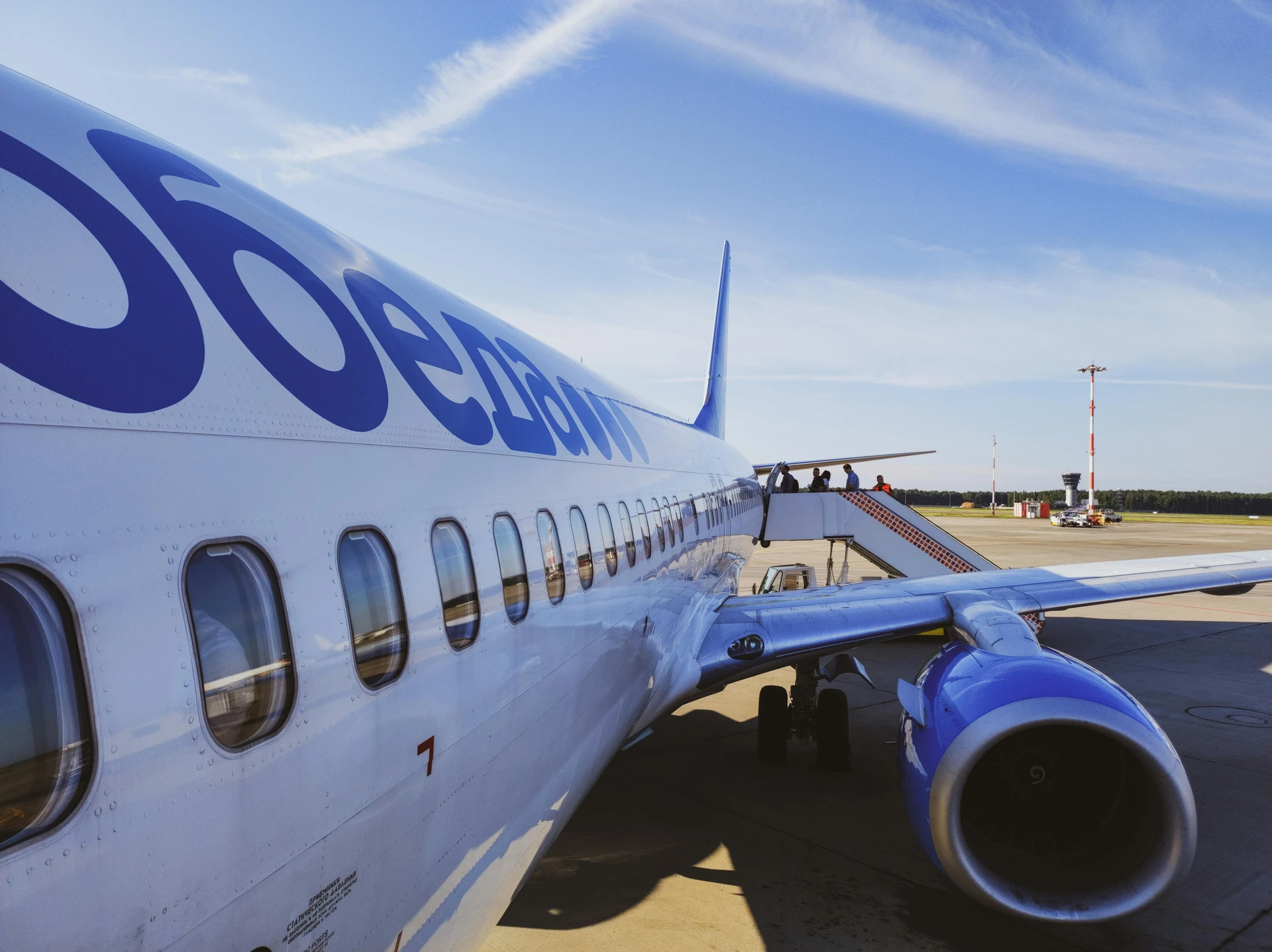
Corporate Airline Fares for Domestic Flights 2026
Negotiating discounts on domestic flights is realistic even with 15–20 tickets per month. We break down negotiation mechanics, entry thresholds, and real savings.
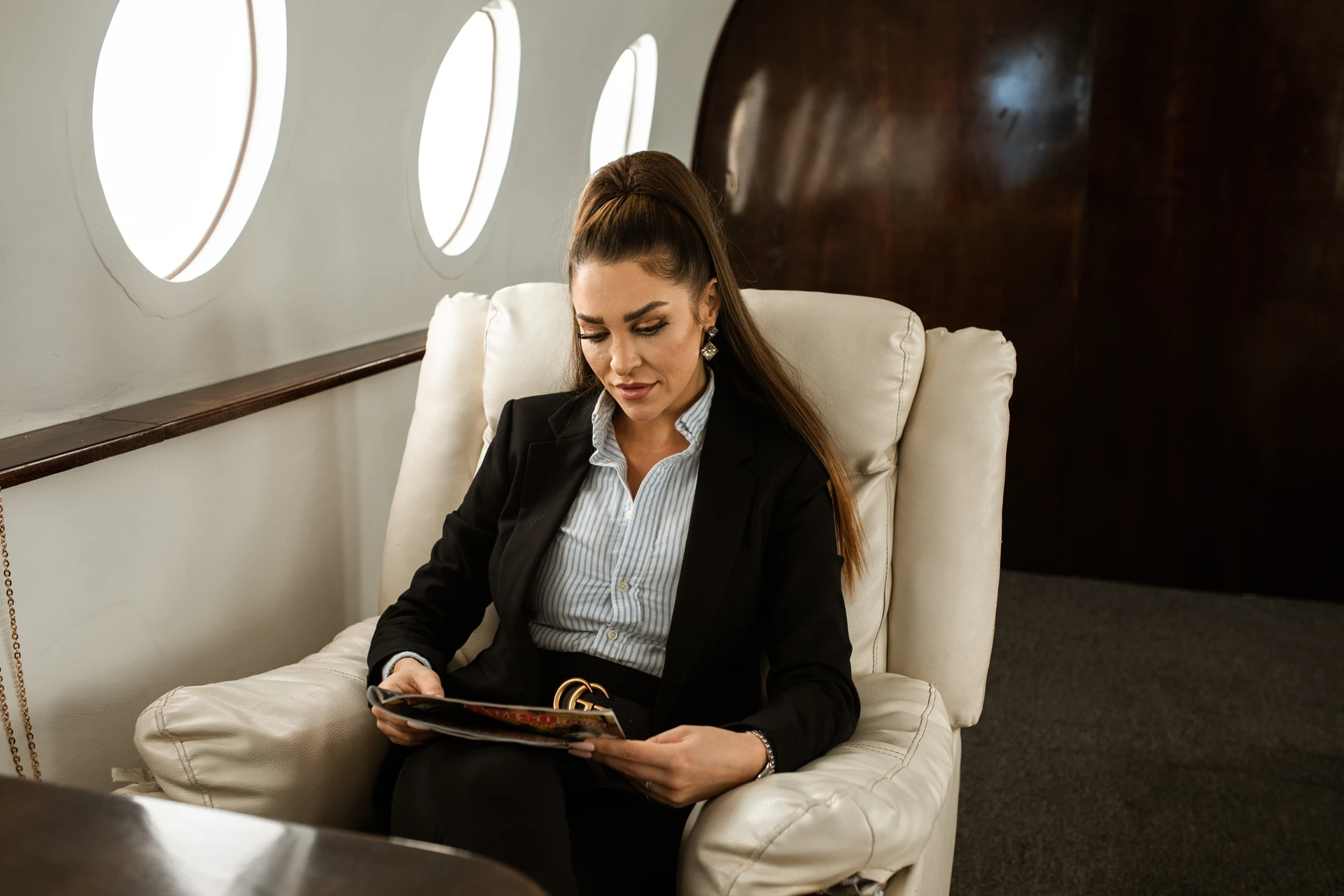
Private Jet Booking: 300% Growth and 2026 Models
Corporate demand for private jets has tripled. We analyse new booking models, real savings, and tools for travel managers in the corporate segment.
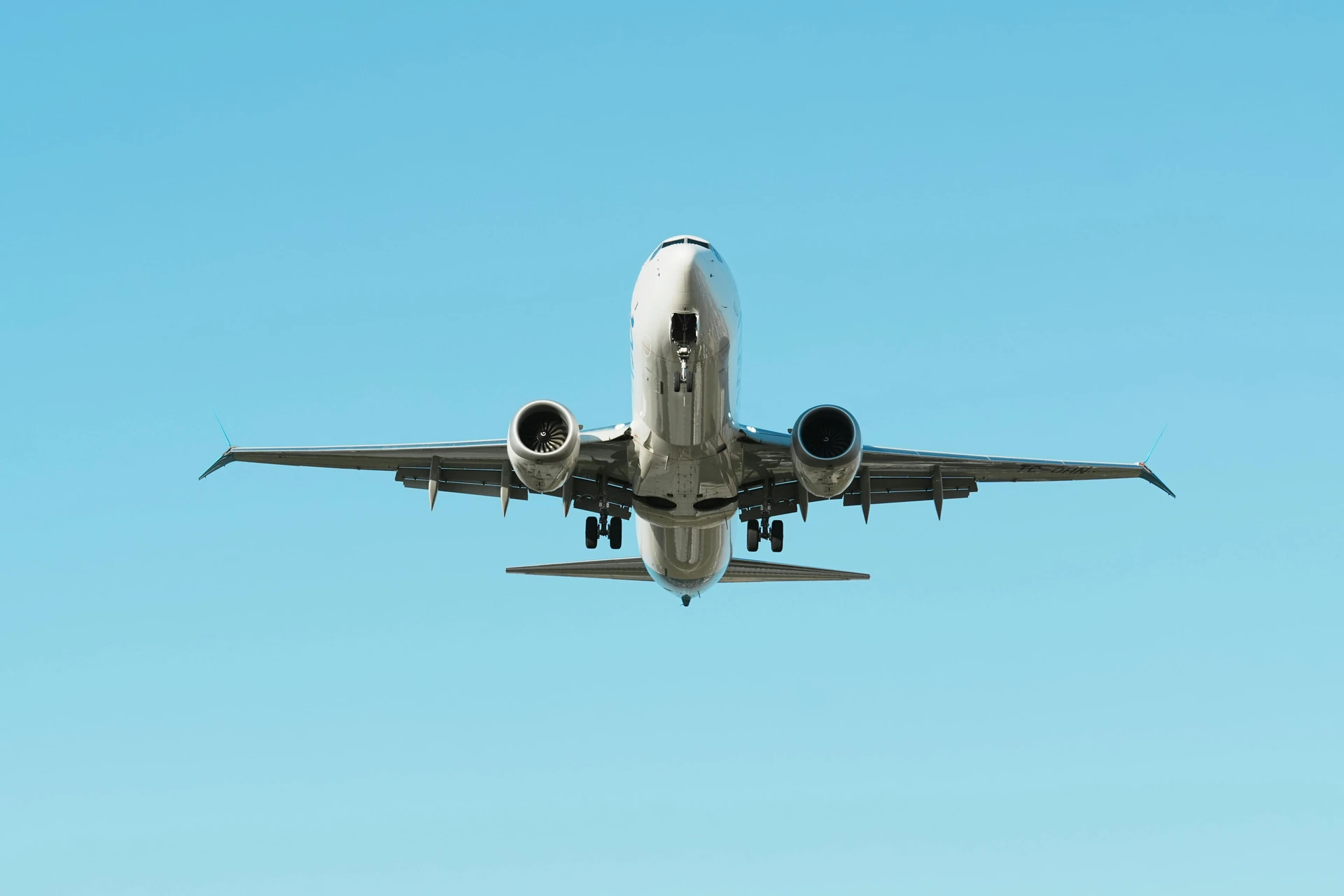
Premium Low-Cost Airline Fares: A New Era in 2026
Low-cost carriers are launching business fares with priority boarding and baggage for 40–60% less than legacy airlines. We analyse the economics for corporations.
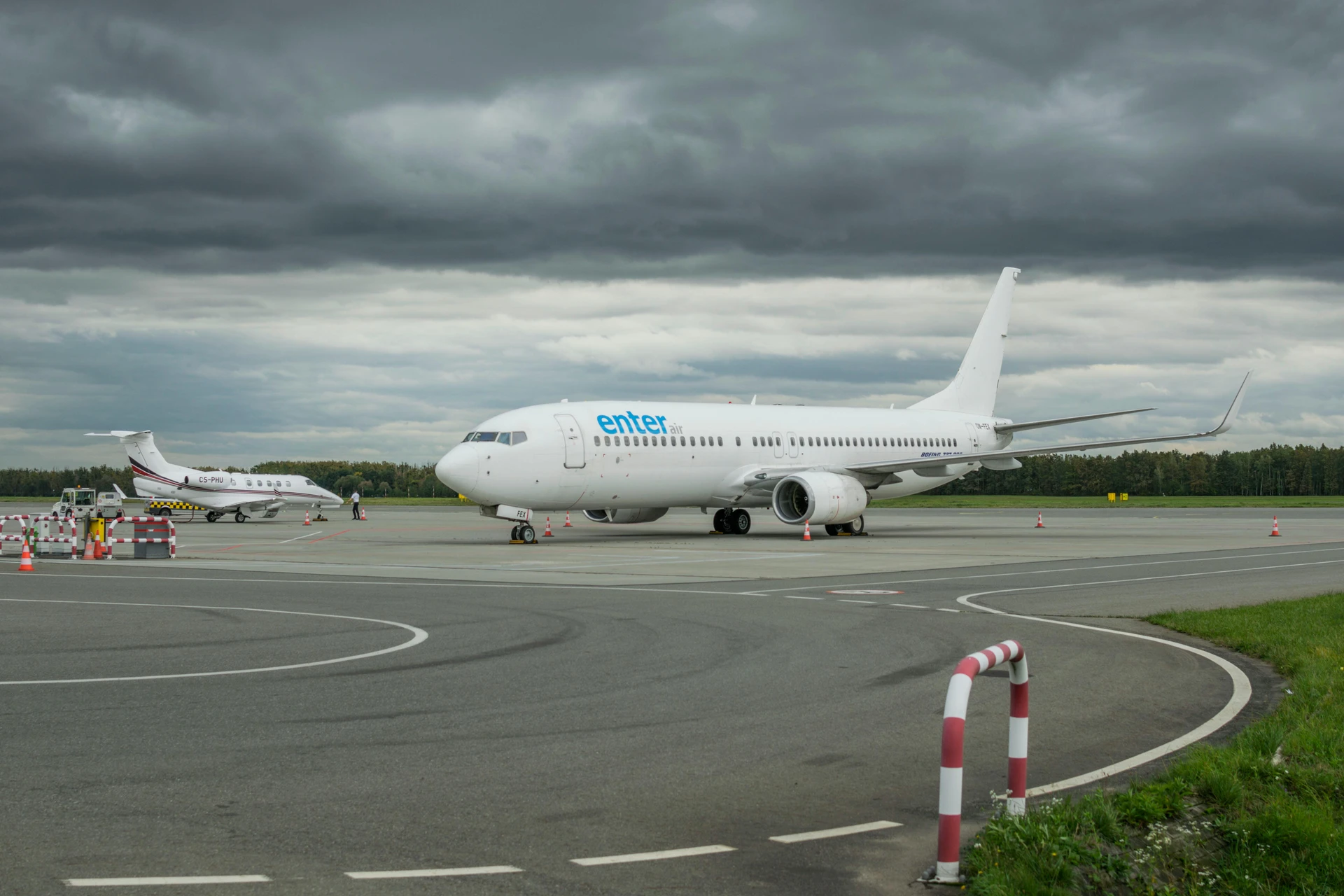
Basic Corporate Airfare Rates: 2026 Financial Model
Basic corporate airfare rates cut costs by 18–35%, but hidden expenses can exceed savings. We break down the math and criteria for your travel policy.

Amadeus vs Sabre for Corporate Travel: 2026 GDS Guide
Compare Amadeus and Sabre for corporate clients: real data on costs, features, and integrations. Discover which GDS saves up to 18% of travel budgets.
Dynamic Airline Pricing: Save Up to 28% on Corporate Fares
Corporations lose up to 28% of their budget by not understanding dynamic pricing mechanics. We break down airline algorithms and tools to reduce flight costs.