
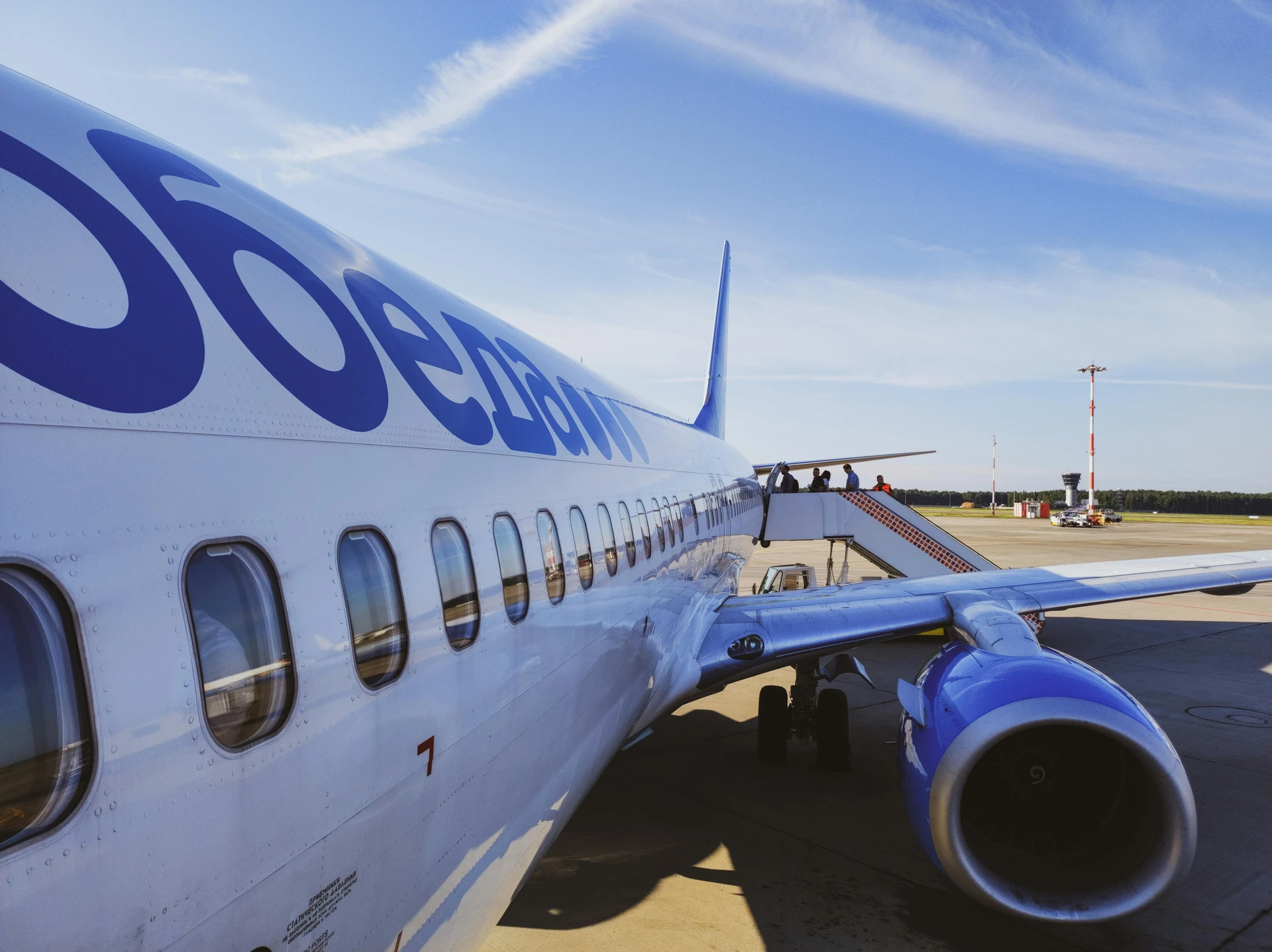
Why airlines negotiate with small and medium-sized businesses
In 2025, Russia's domestic corporate travel market grew 18% according to Rostransnadzor data. Airlines actively seek stable load factors on medium-haul routes. Companies with volumes from 12-15 tickets per month already fall within the interest zone of regional carriers.
The entry threshold has dropped. Three years ago, S7 Airlines and Aeroflot considered applications from companies with a turnover of at least 50 tickets monthly. Today, Ural Airlines and Pobeda sign agreements at 20 tickets if routes align with their base directions.
Concrete example: a manufacturing company from Yekaterinburg with 80 employees flies to Moscow for meetings twice weekly. The average ticket price was 8,200 rubles. After signing a corporate agreement with Ural Airlines, the fare was fixed at 6,900 rubles with booking 7 days in advance. Savings of 1,300 rubles per ticket yielded annual benefits of about 624,000 rubles with 40 flights per month.
Three corporate fare models: what carriers offer
Airlines work with different pricing schemes. Model choice depends on the predictability of your routes and willingness to take on commitments.
Fixed discount from public fare. The carrier gives 5-12% discount on all flights in its network. The percentage grows with volume: at 15-25 tickets per month expect 5-7%, at 50+ tickets - up to 12%. Aeroflot in 2025 offered small businesses a starting rate of 6% without minimum commitments, but with payment within 10 days.
Special fares on selected routes. You name 2-3 priority directions, the airline fixes the price for six months or a year. S7 Airlines practices such agreements on Moscow - Novosibirsk, Moscow - Vladivostok routes. Discounts reach 15-18%, but apply only to agreed flights. If your team flies to 10 different cities, the model doesn't fit.
Volume contracts with post-payment. The company commits to purchasing a certain number of tickets per period (for example, 300 tickets per quarter). The airline provides maximum discount - up to 20% - and invoices at period end. Risk: if you don't use the volume, you pay a penalty or lose conditions. This model is used by large corporations with travel budgets from 15 million rubles annually.
How to prepare for negotiations: data decides everything
Before the first call to the corporate sales department, gather statistics for the last 6-12 months. The airline will ask three questions: how many tickets, which routes, what average booking class.
Export from accounting or booking service:
- Number of tickets monthly broken down by direction
- Average booking lead time (how many days before departure you purchase)
- Share of refunds and exchanges
- Distribution by service class (economy, business)
If 70% of your flights fall on two routes, you have a strong position for negotiating a special fare. If geography is scattered across 15 cities, focus on a general discount.
Check competitors on your routes. Moscow - Kazan is served by five carriers, competition is high. Moscow - Magadan - almost a monopoly, discounts will be more modest.
Step-by-step algorithm for airline negotiations
Step 1: carrier selection. Don't start with the market leader. Aeroflot and S7 will give best terms to companies with turnover of 100+ tickets. Small businesses find it easier to negotiate with Ural Airlines, Azimut, Red Wings. These carriers actively build their corporate portfolio and are more flexible in negotiations.
Step 2: first contact. Find the "Corporate Clients" or "B2B" section on the airline's website. Fill out an application or write directly to [email protected]. In the letter indicate: company name, TIN, number of tickets per month, top-3 routes. Don't write two pages - the manager looks at numbers.
Step 3: counteroffer. The airline will send a draft agreement and price list. Don't accept the first number. If they offered 5%, request 8% referencing a competitor. If they require a minimum volume of 30 tickets and you have 22, ask to lower the threshold to 20 for a trial period of 3 months.
Step 4: bargaining on refund terms. Standard corporate fare allows refund 24 hours before departure with 10-15% retention. Negotiate 48 hours and penalty reduction to 5%. For companies with unpredictable schedules, this matters more than an extra 2% discount.
Step 5: pilot period. Propose signing a contract for a quarter without hard commitments. The airline will assess real volume, you'll check service quality. After three months, revise terms based on actual numbers.
Real discount figures by company type in 2025-2026
Small business (10-30 tickets per month): discount 4-8% from public fare. Pobeda at the end of 2025 launched a program for startups with 6% discount when registering through a partner platform.
Medium business (30-80 tickets): discount 8-14%. A company from Krasnodar with 50 tickets monthly negotiated with Azimut for 11% on all flights from home airport Krasnodar.
Large corporate client (80+ tickets): discount 12-22%. Here not only volume plays a role, but also the share of business class. If 20% of bookings are business, the airline gives an additional 3-5% on top.
Separate story - seasonality. If your company is ready to shift 30% of business trips to low season (November, February-March), the carrier will add 4-6% to the base discount. Airlines are interested in load leveling.
Mistakes that kill negotiations
Requesting discount without numbers. A letter "we are a large company, want a discount" goes to spam. The corporate department manager works with metrics. Give them data.
Comparing with foreign practices. The phrase "in Europe corporations get 25%" doesn't work. The cost structure of Russian carriers is different, fuel is more expensive, route network is different.
Ignoring loyalty. If you've been flying with one airline for two years without a contract, collect booking history and come with it. The carrier sees you're already a client and will more readily give a discount than to a newcomer.
Demanding discount on all fares. Corporate discount usually applies to "economy optimal" fares and above, but not to basic "economy light" or promotions. Clarify immediately which fare groups the agreement covers.
Signing agreement without pilot. Three months of testing will show real quality: how quickly support responds, how many flights are cancelled, how convenient booking is through the corporate portal.
Alternative to direct agreements: aggregators and TMCs
If your volume is 10-20 tickets per month, the airline may not respond to the application. Then work through a travel management company (TMC) or corporate aggregator like GetOffers.
TMC combines demand from several small companies and negotiates with the carrier for a group discount. You get access to corporate fares without a direct contract. TMC commission is 2-4% of ticket cost, but this is offset by a 6-8% discount.
Aggregators provide additional tools: a single personal account for all employees, automatic trip approval, accounting integration. For companies with 50-200 staff, this is more convenient than calling the airline every time.
How to fix terms and protect yourself from changes
Airlines revise fares twice a year: in April and October. Write in the contract that price changes are possible only with 30 days' notice and no more than once per half-year.
Fix the indexation mechanism. The wording "airline has the right to change fares unilaterally" leaves you unprotected. Demand linkage to consumer price index or dollar exchange rate with growth limitation of no more than 10% per period.
Specify booking SLA. If the airline's corporate portal doesn't respond, you should have the right to buy a ticket in public sale with retroactive discount. Write out the compensation procedure.
Stipulate termination conditions. The contract should allow exit without penalties if you didn't reach minimum volume due to independent circumstances (staff reduction, business model change).
2026 forecast: what will change in corporate programs
The Ministry of Transport of the Russian Federation plans to launch a unified registry of corporate fares for state companies by mid-2026. This may push the commercial sector toward standardization of terms.
Fare personalization will intensify. Aeroflot is testing dynamic pricing for corporate clients: an algorithm analyzes booking history and offers an individual discount on a specific flight. The technology is currently available to clients with turnover of 200+ tickets per month.
Growth in direct sales share. Airlines are removing agents from the chain and moving corporations to their own APIs. S7 Airlines in 2025 offered an additional 2% discount to companies that book through direct integration, bypassing GDS.
Emergence of subscription models. Ural Airlines is experimenting with subscriptions: the company pays a fixed amount per month and receives a pool of tickets on popular routes. The model works for businesses with predictable travel schedules.
Checklist for travel manager: what to do in the next month
- Export flight statistics for the last 12 months broken down by months, directions, and classes
- Identify top-3 routes that account for 60%+ of total ticket volume
- Check which airlines dominate these directions and study competitors
- Prepare a one-page presentation: company, volume, routes, current average ticket price
- Send applications to corporate departments of three carriers simultaneously (don't wait for a response from one to write another)
- Ask colleagues from related companies in your industry who they work with and on what terms
- If volume is less than 15 tickets per month, study TMC and aggregator offers - a direct agreement may not happen
- Write in the 2026 budget a target savings of 8-12% from current airfare expenses
Negotiations on corporate fares have ceased to be a privilege of large business. The carrier market is competitive, airlines are interested in stable demand. A company with 20 tickets per month and properly collected statistics will get a 6-10% discount. That's 300-500 thousand rubles in savings per year for medium business.
FAQ
What minimum ticket volume is needed for a corporate agreement with an airline?
In 2026, regional carriers (Ural Airlines, Azimut) sign agreements at volumes from 15-20 tickets per month. Major airlines (Aeroflot, S7) consider applications from 40-50 tickets monthly. If your volume is lower, use travel management companies that combine demand from several small clients.
What discount can small business realistically get on domestic flights?
At volumes of 15-30 tickets per month, expect a discount of 5-8% from the public fare. If 70% of your flights fall on 2-3 routes, you can negotiate a special fare with up to 12% discount. The discount applies to certain fare groups, usually not to the cheapest "light" fares.
How long do negotiations with an airline about corporate fares last?
From first application to contract signing takes 2-4 weeks. The airline analyzes your routes and volumes, prepares a commercial offer (3-7 days), then 1-2 rounds of term coordination follow. You can speed up the process by providing complete flight statistics immediately in the first letter.
Can you terminate a corporate agreement with an airline early?
Depends on contract terms. Agreements with fixed discount usually allow exit with 30 days' notice without penalties. Volume contracts with commitments (for example, 300 tickets per quarter) provide for a penalty for shortfall - 10-20% of the difference. Always write termination conditions and force majeure circumstances into the contract.
What's more profitable: direct agreement with airline or working through aggregator?
Direct agreement gives larger discount (by 2-4%), but requires volume from 30-40 tickets per month and manual booking control. Aggregators and TMCs take 2-4% commission, but provide a unified interface for all carriers, approval automation, and reporting. For companies with volumes up to 30 tickets, an aggregator is usually more profitable in terms of savings-to-effort ratio.
Ready to automate business travel?
GetOffers — AI platform for corporate travel management. Save 15–30% on business travel.
Related posts
Business Class on Short-Haul Flights: Is It Worth It?
The price gap between economy and business class on short-haul flights reaches 300%. We examine the real value for corporate travel and decision criteria.
Private Jet Booking: 300% Growth and 2026 Models
Corporate demand for private jets has tripled. We analyse new booking models, real savings, and tools for travel managers in the corporate segment.
Premium Low-Cost Airline Fares: A New Era in 2026
Low-cost carriers are launching business fares with priority boarding and baggage for 40–60% less than legacy airlines. We analyse the economics for corporations.
Basic Corporate Airfare Rates: 2026 Financial Model
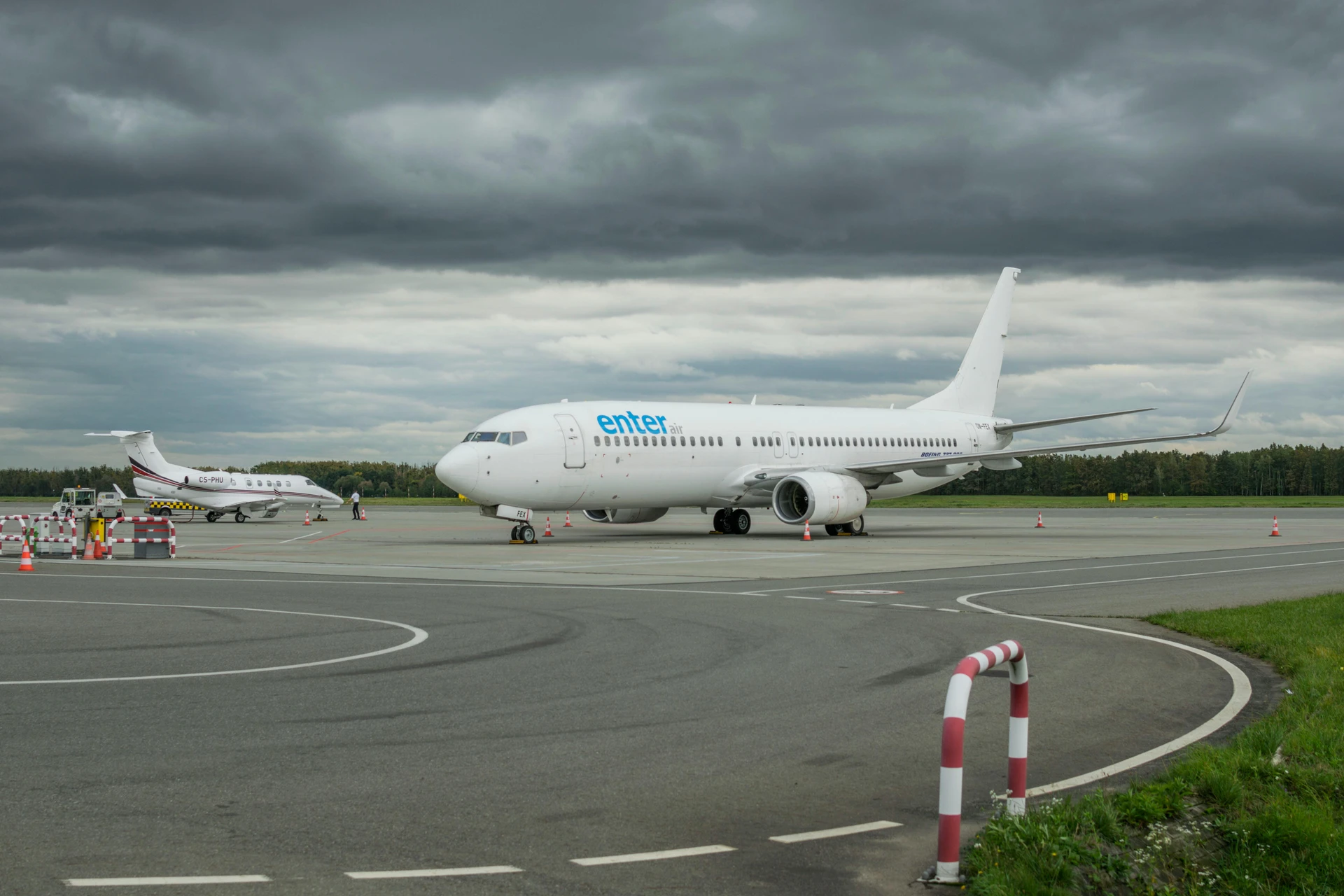
Basic corporate airfare rates cut costs by 18–35%, but hidden expenses can exceed savings. We break down the math and criteria for your travel policy.

Amadeus vs Sabre for Corporate Travel: 2026 GDS Guide
Compare Amadeus and Sabre for corporate clients: real data on costs, features, and integrations. Discover which GDS saves up to 18% of travel budgets.
Dynamic Airline Pricing: Save Up to 28% on Corporate Fares
Corporations lose up to 28% of their budget by not understanding dynamic pricing mechanics. We break down airline algorithms and tools to reduce flight costs.