
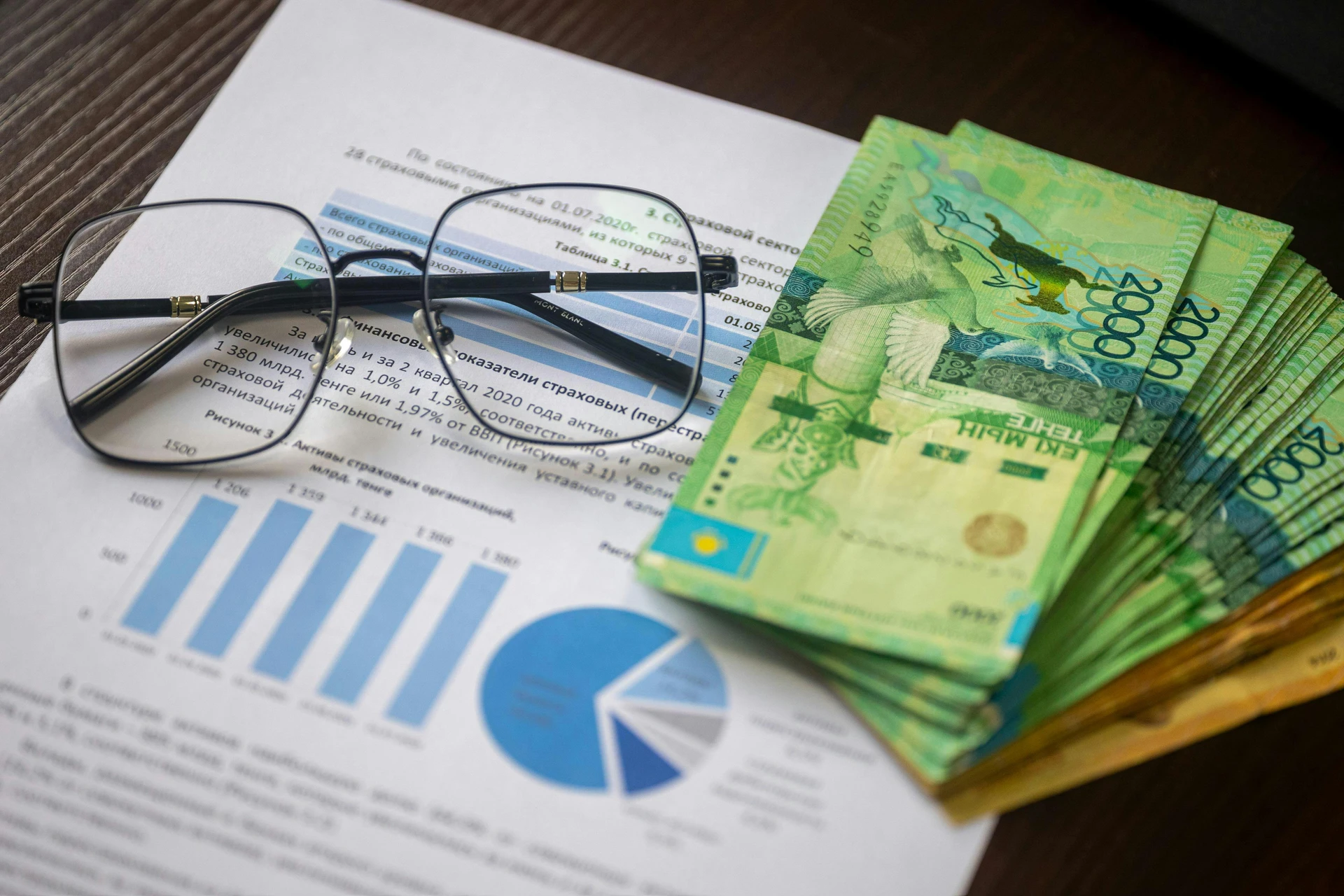
When Airlines Are Ready to Discuss Corporate Rates
Airlines open negotiations for special terms at volumes starting from 50 bookings per year on one route or total spending from 1.5 million rubles. Smaller companies often face rejection, but workarounds exist through consolidators and agencies.
According to IATA data for 2024, corporate travel accounted for 18% of total airline ticket sales in Russia, with average discounts on direct contracts ranging from 5% to 23% depending on route and service class. Domestic flights traditionally offer lower discounts due to high competition and less flexible fares.
The key parameter for airlines is predictability. If a company books 15 Moscow-Yekaterinburg tickets every month for a quarter, this is more valuable than a one-time purchase of 50 tickets to different destinations. Regularity allows carriers to plan aircraft loads and allocate seat blocks.
Three Corporate Fare Models and Their Hidden Conditions
The first model is a fixed discount from the published fare. Airlines provide 7-12% on specific booking classes subject to minimum volume. The discount applies automatically when entering the corporate code in the booking system. The problem: published fares are often higher than promotional offers for individuals, so real savings may be zero.
The second model is net fares. Airlines set a fixed price per route regardless of demand fluctuations. For example, Moscow-Novosibirsk always costs 9,500 rubles in economy class. This scheme works for companies with strict budgets and the need to plan expenses a year ahead. The downside: in low season you overpay compared to market prices.
The third model is retro-bonuses. The company pays full ticket prices, and at the end of the reporting period receives a 3-8% refund of the total amount when meeting the volume plan. This scheme is popular with major carriers because it reduces their operational risks. For business, the disadvantage is obvious: money returns with a 2-3 month delay, affecting cash flow.
Practical Savings Calculation Example
An IT sector company with offices in Moscow and Saint Petersburg sends 8 employees on business trips monthly. Main routes: Moscow-Saint Petersburg (40% of trips), Moscow-Yekaterinburg (25%), Moscow-Kazan (20%), other (15%). Average ticket cost without contract - 8,200 rubles.
After negotiations with two airlines, the company received a 9% discount on class L and above. Over the year, 96 tickets were purchased for 787,200 rubles. Savings amounted to 70,848 rubles. But detailed analysis showed that 23 tickets could have been bought on promotion cheaper than the corporate rate - missed benefit of 18,400 rubles.
Real savings after adjustment: 52,448 rubles, or 6.7%. The company spent 12 hours of travel manager work time on negotiations and contract approval. Payback was achieved, but the effect is lower than expected.
How to Prepare for Negotiations: Data Matters More Than Status
Airlines need statistics for the last 6-12 months. Compile a table with columns: departure date, route, booking class, cost, fare type (refundable/non-refundable), number of booking changes. If the company is young and has no history, prepare a forecast with justification: staffing table, client geography, branch opening plans.
The second critical document is the traveler profile. Indicate average booking window (how many days before departure you buy tickets), business class percentage, frequency of changes and cancellations. Airlines value clients who book 14+ days ahead and rarely change plans. If your cancellation rate exceeds 15%, prepare for rejection or minimal discount.
The third element is a competitive map. Before meeting with Aeroflot, study offers from S7, Ural Airlines, Red Wings on your routes. If an alternative carrier offers comparable schedules, use this as an argument. Airlines are more flexible on routes with direct competition.
Five Mistakes That Kill Negotiations
First mistake: requesting discounts on all routes at once. Airlines segment routes by profitability. Moscow-Sochi in summer is a high-margin route with minimal discounts. Moscow-Mineralnye Vody in winter has low loads, where you can negotiate 15-18%. Focus on 3-4 key routes where you have real volume.
Second mistake: not accounting for seasonality. A contract signed in October may contain terms favorable for winter but unprofitable in summer. Demand fare breakdowns by season or the right to review terms quarterly.
Third mistake: ignoring return and exchange conditions. Standard corporate fares are often tied to non-refundable booking classes. If your employees reschedule 20% of trips, ticket savings are eaten by penalties. Negotiate refundable fares with fixed change fees (for example, 1,500 rubles instead of a percentage of cost).
Fourth mistake: forgetting about baggage. Many low-cost and classic carriers on domestic flights sell basic fares without baggage. The corporate contract must explicitly specify baggage allowance, otherwise 500 rubles saved on the ticket turns into a 2,000 ruble surcharge for a suitcase.
Fifth mistake: lack of performance metrics. Write into the contract a reporting mechanism: monthly report from the airline with number of tickets used, average cost, and accumulated discount. Without this, you cannot verify whether the agreed discount is actually applied.
Alternative to Direct Contracts: Consolidators and TMCs
If business trip volume does not reach the direct contract threshold, contact travel agencies (TMCs) or consolidators. They pool demand from dozens of companies and obtain discounts unavailable to small businesses. According to ACTE (Association of Corporate Travel Executives) data for 2023, companies with turnover up to 5 million rubles on airline tickets save an average of 11% through TMCs versus 6% with independent negotiations.
Consolidators work differently: they buy seat blocks from airlines at reduced prices and resell them. The risk is that not all consolidators are accredited, and the ticket may be invalid. Check presence in the IATA registry and request booking confirmation directly from the airline.
The third option is corporate platforms like GetOffers. They automatically compare corporate fares, public prices, and consolidator offers, selecting the optimal variant for each specific flight. Savings are achieved not through one large discount, but through flexible source selection for each purchase.
How to Scale Savings After Contract Signing
The contract is signed, but real savings depend on booking discipline. Introduce a travel policy with clear rules: minimum booking window of 10 days, ban on business class for flights shorter than 3 hours, mandatory use of corporate code when purchasing.
The second step is automation. If employees book tickets independently through the airline website, some will forget to enter the corporate code or choose a more expensive fare due to convenient departure time. A centralized booking system solves this problem: all purchases go through a single point, discount applies automatically.
The third element is regular audits. Quarterly, reconcile actual prices with contract terms. Airlines may make technical errors or change booking classes without notification. If you find discrepancies, demand recalculation and compensation for previous purchases.
Specifics of Negotiations with Russian and Foreign Carriers
Russian airlines are more willing to negotiate with companies that have regular flights to regions where the carrier operates. S7 will give better terms on Siberian routes, Ural Airlines on Urals and Central Asia. Use geographic specialization as an argument.
Foreign carriers require a higher entry threshold - from 100 tickets per year or 3 million rubles turnover. But they offer global corporate programs with uniform terms across the entire route network. If the company sends employees to Europe or Asia 6+ times a year, it makes sense to negotiate with Lufthansa, Turkish Airlines, or Emirates.
After 2022, many Western airlines suspended corporate programs for Russian legal entities. The alternative is contracts through representative offices in CIS countries or using international TMCs with licenses in multiple jurisdictions.
Legal Nuances of Corporate Contracts
The contract with the airline must contain a section on liability for failure to meet obligations. If you guaranteed 100 tickets per year but bought 60, the airline may demand payment up to full cost without discount for all purchased tickets. Protect yourself with wording "planned volume" instead of "guaranteed volume" and the right to early termination without penalties.
The second point is settlement currency. If the contract is in dollars or euros, exchange rate fluctuations can eat all savings. Insist on ruble prices fixed for a quarter or tied to the official Central Bank rate on the ticket purchase date.
The third moment is personal data. The airline gains access to information about your employees' movements. Ensure the contract contains a confidentiality clause and prohibition on data transfer to third parties for marketing purposes.
When Corporate Fares Are Unprofitable
On highly competitive routes (Moscow-Saint Petersburg, Moscow-Sochi), public prices from low-cost carriers are often lower than corporate fares from classic carriers. If return flexibility is not critical, buy one-time tickets on promotion.
The second case is one-time trips to exotic destinations. The contract covers 15 popular routes, but an employee needs to fly to Magadan. Corporate discount does not apply there, and you pay full price. For such cases, keep a backup purchase channel without binding to the main contract.
The third situation is super-early booking. Airlines open sales 11 months ahead and in the first weeks offer dumping prices to stimulate demand. If you plan a trip six months ahead, the public fare may be 30% lower than corporate. The contract should not prohibit purchases outside the corporate program if it is more profitable.
Checklist for First Meeting with Airline
Prepare a 5-7 slide presentation: company profile, annual business trip statistics, top 5 routes with trip counts, current airline ticket expenses, expected growth next year. The airline should see growth potential, not just current volume.
At the meeting, ask three key questions:
- What minimum volume is required for each discount level?
- How often can contract terms be reviewed?
- What additional services are available to corporate clients (priority check-in, business lounge access, simplified ticket exchange)?
Request a 3-month trial period with reduced commitments. This lowers risks for both parties and gives you time to assess real savings before signing an annual contract.
Performance Monitoring: Metrics That Matter
The main metric is average ticket cost before and after implementing the corporate rate. But calculate separately by route: overall savings may mask losses on individual routes.
The second metric is corporate code usage percentage. If only 35 of 50 purchased tickets went through the contract, you are losing money. Reasons: employees do not know about the contract, corporate fare was more expensive than public, technical problems applying the code.
The third metric is cost of changes and cancellations. Before the contract, average penalty for flight rescheduling was 3,200 rubles, after - 1,800 rubles. This difference often outweighs the ticket discount itself, especially for companies with unpredictable business trip schedules.
The fourth metric is processing time. If previously buying a ticket took 15 minutes, and now 40 minutes due to the need to contact the airline's corporate department, calculate the cost of lost work time. Automation through TMC or platform solves this problem.
What Will Change in Corporate Fares in 2026
Airlines are transitioning to dynamic pricing, where fixed discounts are replaced by algorithms accounting for flight load, specific company purchase history, and time to departure. This means the traditional model of "corporate code gives 10% discount" is becoming obsolete.
The second trend is integration of corporate programs with expense management systems. Airline APIs allow automatic data transfer about purchases to accounting, eliminating manual entry and errors. Companies that implement such integration will reduce administrative costs by 20-30%.
The third change is growing popularity of subscription models. Several Asian carriers are already testing corporate subscriptions: the company pays a fixed monthly amount and receives a certain number of tickets without binding to specific dates. For businesses with predictable business trip schedules, this is more convenient than classic contracts.
FAQ
What minimum business trip volume is needed for corporate fares?
Most Russian airlines consider applications from 50 bookings per year on one route or total spending from 1.5 million rubles. For international carriers, the threshold is higher - from 100 tickets or 3 million rubles. Companies with smaller volumes can access corporate terms through TMC agencies or consolidators.
What are real savings with corporate fares?
Average discount on direct contracts is 5-23% depending on route, class, and volume. In practice, real savings are often lower because the base fare is higher than promotional prices. According to ACTE data, companies save an average of 6-11% accounting for all factors, including return and exchange flexibility.
What is better: fixed discount or net fares?
Fixed discount is more profitable for companies with flexible business trip schedules that can adjust to price fluctuations. Net fares suit businesses with strict budgets and the need to plan expenses a year ahead, but in low season you may overpay compared to market prices.
How to verify the airline applies the agreed discount?
Write into the contract mandatory monthly reporting with details: number of tickets used, average cost, applied discount. Quarterly, conduct spot checks of actual prices against contract terms. If you find discrepancies, demand recalculation and compensation.
When are corporate fares unprofitable?
On highly competitive routes, public prices from low-cost carriers are often lower than corporate fares. Also with super-early booking (6+ months ahead), promotional offers may be 30% cheaper. The contract should not prohibit purchases outside the corporate program if it is more economically advantageous.
Ready to automate business travel?
GetOffers — AI platform for corporate travel management. Save 15–30% on business travel.
Related posts
Business Class on Short-Haul Flights: Is It Worth It?
The price gap between economy and business class on short-haul flights reaches 300%. We examine the real value for corporate travel and decision criteria.
Corporate Airline Fares for Domestic Flights 2026
Negotiating discounts on domestic flights is realistic even with 15–20 tickets per month. We break down negotiation mechanics, entry thresholds, and real savings.
Private Jet Booking: 300% Growth and 2026 Models
Corporate demand for private jets has tripled. We analyse new booking models, real savings, and tools for travel managers in the corporate segment.
Premium Low-Cost Airline Fares: A New Era in 2026
Low-cost carriers are launching business fares with priority boarding and baggage for 40–60% less than legacy airlines. We analyse the economics for corporations.
Basic Corporate Airfare Rates: 2026 Financial Model
Basic corporate airfare rates cut costs by 18–35%, but hidden expenses can exceed savings. We break down the math and criteria for your travel policy.

Amadeus vs Sabre for Corporate Travel: 2026 GDS Guide
Compare Amadeus and Sabre for corporate clients: real data on costs, features, and integrations. Discover which GDS saves up to 18% of travel budgets.