

How group hotel booking works and why it beats one-off reservations
Group hotel booking for business rests on a simple principle: hotels will lower the per-room price in exchange for guaranteed volume. When a company commits to booking 50 room-nights per quarter or 200 per year, the hotelier gains predictable occupancy and cuts marketing costs for attracting guests.
According to Deloitte Travel Benchmark 2025, corporations with annual volume exceeding 500 room-nights secure an average discount of 18% off public rates. Companies with volume above 2,000 room-nights negotiate up to 25-27%. The difference between a one-off booking and a corporate contract in practice amounts to 2,500 to 6,000 rubles per night in 4-star hotels in Moscow.
The key distinction from a standard corporate rate: group booking involves volume commitments. You don't simply identify as a company and ask for a discount. You provide the hotel with statistics from the previous year, a forecast for the current one, and sign an agreement with a minimum volume.
Three models of group contracts: which to choose in 2026
Hotels offer several formats of volume agreements. The choice depends on the predictability of your business trips and your willingness to take on commitments.
Guaranteed minimum contract obliges the company to pay for an agreed number of room-nights regardless of actual use. For example, 300 room-nights per year at 4,500 rubles. If you booked only 250, the remainder either expires or rolls over to the next period (depending on terms). The discount here is maximum: 22-25% off rack rate.
Sliding discount contract ties the discount size to achieved volume. Up to 100 room-nights - 10%, from 100 to 300 - 15%, over 300 - 20%. There's no risk of overpayment, but final savings depend on your booking discipline. Companies with seasonal fluctuations in business travel choose this format.
Preferred rate without commitments gives a fixed discount of 8-12% for corporate status alone, but without minimum volume. The hotel can revise terms at any time if it sees low usage. Suitable for small businesses starting out or companies with unpredictable travel schedules.
Example: An IT company from Saint Petersburg with 80 employees sends specialists to Moscow 3-4 times a month. Over 2024, they accumulated 180 room-nights in one chain. In January 2025, the travel manager proposed a sliding discount contract to the chain: forecast of 250 room-nights for the year, 18% discount upon achievement. By October 2025, the company had accumulated 220 nights and saved approximately 290 thousand rubles compared to public rates.
How to calculate volume for negotiations and avoid overpaying
Before starting negotiations, gather data from the past 12 months. You need:
- Number of room-nights by city and hotel
- Average room cost (actually paid)
- Distribution by month (to understand seasonality)
- Share of cancellations and booking changes
If you don't have a unified booking system, request reports from accounting under the "Accommodation" expense line. A price spread of 30-40% among employees booking independently is normal. This is your savings potential.
Calculate a safe minimum for a contract with commitments: take 70-75% of last year's actual volume. If 2024 accumulated 400 room-nights, set a contract minimum of 280-300. You can exceed commitments at the same rate or slightly higher.
Hotels negotiate more readily when they see concentrated demand. Better to book 200 nights in two hotels of one chain than spread 300 nights across ten different ones. Chains offer multi-property agreements: a single discount applies in several cities, volume is aggregated.
Negotiation mechanics: what to tell the hotel to get maximum value
Start negotiations 6-8 weeks before the planned contract period begins. Hotels form commercial policy quarterly, and mid-quarter there's less room to maneuver.
State specific numbers. Not "we travel to you often," but "in 2024 our employees booked 127 room-nights with you totaling 680 thousand rubles, average check 5,350. Forecast for 2026 - 180 nights. What discount can you offer with a guaranteed minimum of 150 nights?"
Request additional conditions beyond the discount:
- Free cancellation within 24-48 hours (instead of standard 72)
- Guaranteed late check-in after 18:00 without surcharge
- Included breakfast (saves 500-800 rubles per person)
- Free upgrade when higher-category rooms are available
- Direct manager contact for urgent bookings
Hotels often agree to these conditions because they barely increase their costs but significantly raise the contract's value for the client.
Ask for a trial period of 3 months. If the hotel doubts your volume, propose a pilot: "Let's fix a 15% discount for the quarter with a minimum of 40 nights. If we deliver, we move to an annual contract with 18% and a minimum of 160." The hotel reduces risk, you get a chance to prove volume.
Legal nuances of volume contracts in Russia
A corporate contract with a hotel in Russia is usually formalized as a service agreement with an appendix specifying rates and conditions. Pay attention to several clauses.
Contract currency and exchange-rate clauses. If the contract is in rubles but the hotel references "euro equivalent at Central Bank rate on check-in date," you risk losing budget predictability. Insist on a fixed ruble rate for the entire period or pegging to the rate on contract signing date with a fluctuation corridor no wider than 10%.
Termination and revision conditions. Standard clause: "The hotel reserves the right to revise rates upon market condition changes with 30 days' notice." Demand specifics: revision possible only twice a year, only if rack rate rises more than 15%, only by mutual consent.
Liability for shortfall below minimum. If you don't use the guaranteed volume, the penalty typically amounts to 50-70% of the cost of unused nights. Negotiate rollover of the remainder to the next period or credit toward other hotel services (conference rooms, banquets).
VAT and documents. Ensure the contract specifies the procedure for issuing invoices and closing documents. If your employees book through a corporate portal but documents arrive late, this creates problems for accounting. Require electronic document flow and automatic delivery of acts within 3 business days after checkout.
Digital tools for managing group bookings
When volume exceeds 15-20 bookings per month, Excel spreadsheets stop coping. Employees book outside corporate rates because they don't know about them or find it inconvenient to request a booking from an assistant.
Platforms like GetOffers automatically apply corporate rates during search. An employee enters dates and city, the system shows only hotels with active contracts and preconfigured rates. The probability that someone will book a room for 8,000 instead of the contracted 6,000 drops to zero.
Such systems collect usage statistics in real time. You see how many nights from the contract have been used, what remains, which cities have shortfalls. If 40 nights remain out of 100 required by quarter-end, the travel manager can adjust policy: ask employees to choose this hotel for upcoming trips or shift some bookings from other cities.
Integration with accounting closes the document problem. Invoices and acts are exported automatically, linked to projects and cost centers. Time spent on reconciliation shrinks from several days to a couple of hours per month.
Mistakes that devour all savings from group rates
Absence of booking policy. If employees aren't required to use corporate hotels, they'll choose by habit or location convenience. Write into travel policy: business trip expenses are reimbursed only when booking through approved channels. Exceptions are agreed with management.
Late bookings. Corporate rates often require booking 7-14 days in advance. If your employees book 2 days before departure, the contracted rate may be unavailable and the system will offer rack rate. According to ACTE European Travel Manager Survey 2025, companies lose an average of 12% of potential savings due to last-minute bookings.
Ignoring seasonality. A contract with a fixed rate is profitable in high season and can be unprofitable in low season. In February, a Moscow hotel's public rate may drop to 4,000, while your contracted rate stays at 5,500. Negotiate "most favorable rate": the system automatically applies the lower of the two - contracted or public at booking time.
Lack of performance monitoring. If you don't track contract progress monthly, by year-end you may discover a serious shortfall. Appoint someone responsible to reconcile actual vs. plan monthly and report risks to management.
Alternative ways to get a discount without volume commitments
If your company isn't ready to guarantee a minimum, there are other paths to reduce accommodation costs.
Consortia and TMCs. Corporate-profile travel agencies (TMCs) pool their clients' volumes and negotiate with hotels on behalf of a company pool. You gain access to rates negotiated based on thousands of room-nights, without your own commitments. TMC commission is usually 3-5% of booking cost, but savings cover it.
Prepaid packages. Some chains sell room blocks: you buy 50 nights upfront with a 20% discount, use them over the year in any chain hotels. Risk: if unused, money isn't refunded. Suitable for companies with high volume confidence.
Business loyalty programs. Marriott Bonvoy Business, Hilton Honors Business, and similar programs credit points to a corporate account. Points can be spent on free nights or upgrades. At 100+ nights per year, accumulations cover 8-12% of costs. Doesn't replace a direct discount but works as a supplement.
Long-term apartment rental. If you have employees regularly working in another city for 3-5 days each month, monthly apartment rental may be cheaper than a hotel. Cost of a one-bedroom apartment rental in Moscow for a month - 80-120 thousand rubles. This equals 15-20 nights in a 4-star hotel. If employees accumulate more, rental pays off.
2026 forecast: how group contract terms will change
Hoteliers expect corporate demand growth in 2026 after business activity stabilization. According to STR Global forecast (February 2025), average occupancy of business hotels in major Russian cities will rise to 68-72% versus 61% in 2023. This means hotels will be less willing to give deep discounts.
Trend: shift from fixed discounts to dynamic corporate rates. Instead of "minus 20% off rack rate," the hotel offers "minus 15% off BAR (best available rate)." If the public price drops, so does yours. If it rises - your corporate rate rises too, but always with a fixed delta. For companies this means less budget predictability, but also no situations where the contracted rate exceeds market rate.
Another trend: hotels demand exclusivity. "We give you 22%, but you commit not to place employees in competing hotels within a 2 km radius." For companies with high trip concentration in one area, this is acceptable. For others - risk of losing flexibility.
Technology integration becomes mandatory. Hotels increasingly require bookings to go through API or corporate platform, not by phone or email. This lowers their operational costs and provides transparent statistics. Companies without a TMC or proprietary booking system will find it harder to negotiate favorable terms.
Checklist: what to do today to launch group booking
Export accommodation data for the past 12 months from accounting or corporate cards. Group by cities and hotels.
Identify top 3 cities and top 5 hotels by night volume. Start negotiations with them.
Calculate a safe contract minimum: 70% of last year's volume in each priority hotel.
Prepare a presentation for the hotel: booking history, forecast, guest profile (single/double, average stay duration).
Contact the hotel's sales manager (not reception, but corporate sales department). Request a meeting or video call to discuss a corporate contract.
Write into travel policy mandatory use of corporate rates and the procedure for approving exceptions.
Appoint someone responsible for monitoring contract fulfillment and monthly reporting.
Group hotel booking for business requires preparation and discipline, but savings of 18-25% justify the effort starting at 150 room-nights per year. Companies that built the process in 2025 will gain competitive advantage in 2026: predictable budget, satisfied employees, and transparent analytics of business travel expenses.
FAQ
What minimum volume is needed for a group contract with a hotel?
Most 3-4 star hotels begin discussing corporate contracts from 100 room-nights per year. Chain hotels may lower the threshold to 50 nights if it's a multi-property agreement across several cities. To obtain an 18-20% discount, typically 200+ room-nights per year in one hotel or chain are required.
What happens if the company doesn't use the guaranteed minimum under the contract?
Depends on contract terms. Typical options: penalty of 50-70% of the cost of unused nights, rollover of remainder to the next period (if stipulated), credit toward other hotel services, or contract revision with rate increase. To avoid losses, set the contract at 70-75% of your real forecast.
Can you get a corporate discount without volume commitments?
Yes, through several mechanisms: preferred rate (8-12% discount without guarantees, but the hotel can revise terms), sliding discount contract (size depends on achieved volume post-fact), working through a TMC (agency pools client volumes), or corporate loyalty programs with point accumulation.
How often should you revise corporate contract terms with a hotel?
A standard contract is concluded for one year with possible rate revision twice a year or when market conditions change by more than 15%. Conduct a terms review annually before renewal: compare your rate with current public rates and competitor offers, analyze actual usage, and adjust volumes.
What additional conditions are worth including in the contract beyond the discount?
Request free cancellation within 24-48 hours, guaranteed late check-in without surcharge, included breakfast, free upgrade when rooms are available, direct manager contact for urgent bookings, currency rate lock (if contract is in foreign currency), and electronic document flow. These conditions barely increase hotel costs but significantly raise contract value for the company.
Ready to automate business travel?
GetOffers — AI platform for corporate travel management. Save 15–30% on business travel.
Related posts
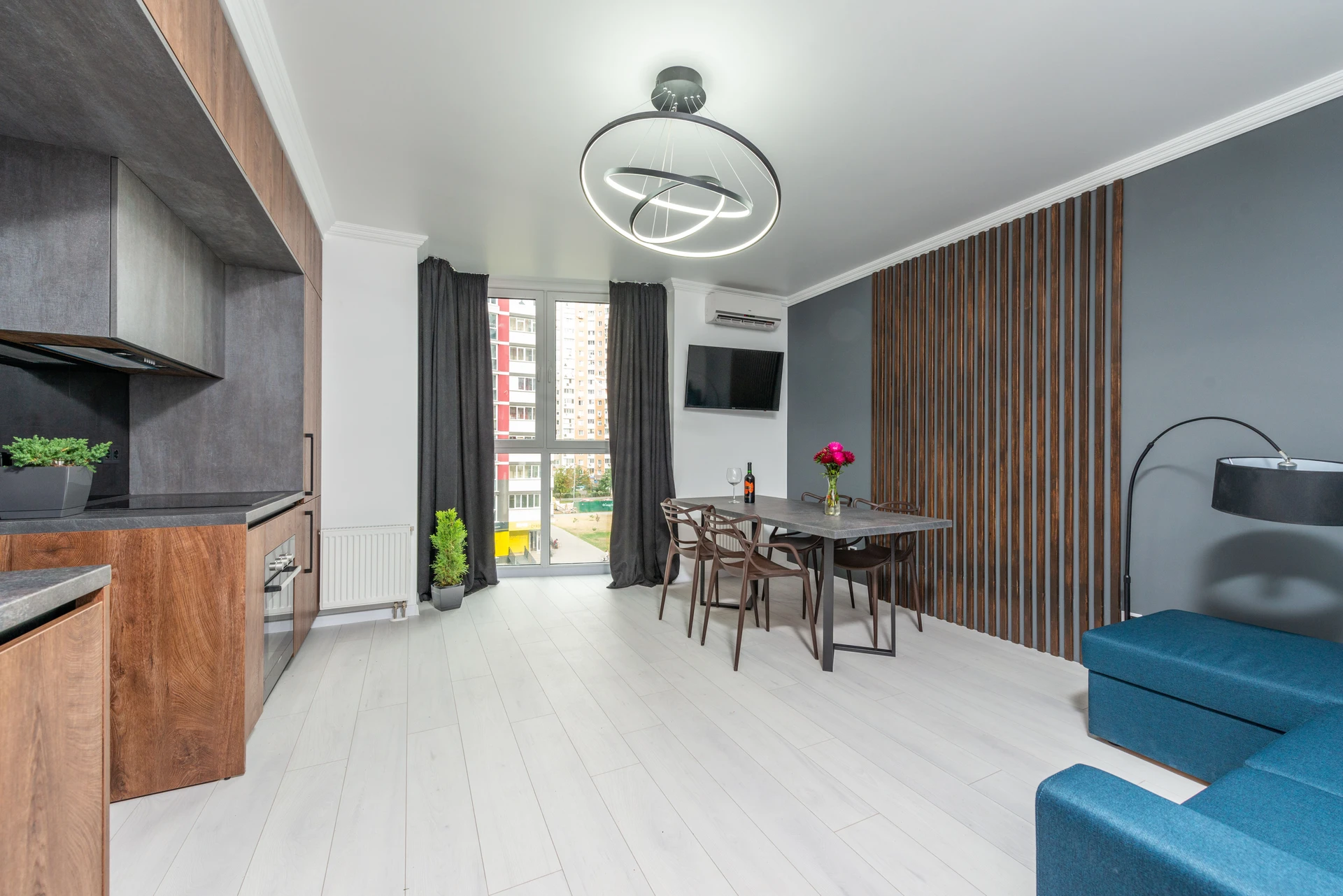
Hotel Apart-Collections for Business: New Format 2026
Hotel apart-collections are changing corporate accommodation rules: kitchens, flexible rates, and savings up to 23%. We break down the format travel managers choose in 2026.
Three-Star Hotels for Business Travel: Budget Balance 2026
Three-star hotels cut expenses by 28–35% without sacrificing quality. We examine selection criteria, regional pricing, and common booking mistakes.
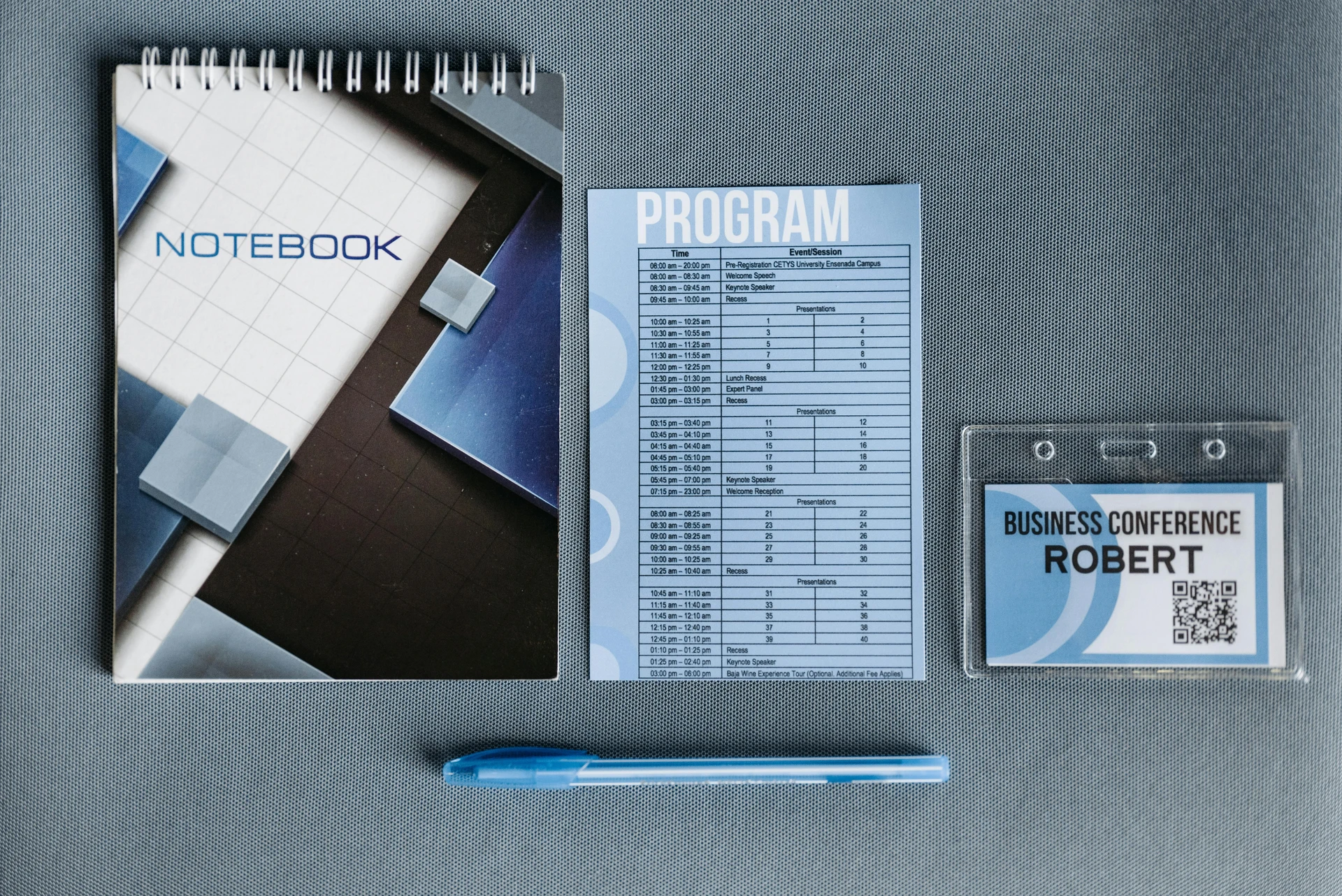
Hotel Group Booking for Conferences: 2026 Checklist
Step-by-step checklist for negotiating with hotels for corporate conferences: from calculating room blocks to cancellation terms. Real numbers and scenarios.
Serviced Apartments for Extended Business Trips
Real cost comparison of serviced apartments vs. hotels for business trips of 14+ days. Expense calculations, tax nuances, and selection criteria for travel managers.

Hotel Corporate Programme: Negotiating 15%+ Discounts in 2026
Step-by-step guide to negotiating with hotels for corporate programmes. How to secure 15%+ discounts, which metrics to prepare, and where to find leverage.
Preferred Supplier Program with Hotels: 2026 Negotiation Guide
How to build a preferred supplier program with hotels and secure up to 25% discounts, guaranteed room availability, and real-time reporting — a step-by-step guide for travel managers.