

Why traditional corporate rates have stopped working
Hotel chains in 2025-2026 have changed their approach to corporate contracts. According to the Deloitte Travel Management Survey 2025, 63% of hotel operators in Europe and Russia have abandoned fixed discounts in favour of dynamic rates with a floating base. This means the old model of "minus 10% from BAR" no longer guarantees savings: the base rate can rise 20% before the discount is applied.
Travel managers face a paradox. Booking volumes have recovered to 2019 levels, but negotiating position has weakened. Hotels have learned to segment demand more precisely: they can see when a company books rooms three days before arrival on the Moscow-Saint Petersburg route during high season, and they are in no hurry to discount such inflexible demand.
Real savings begin with understanding that hotels do not sell rooms-they sell occupancy management. Your task in negotiations is to show how your booking pattern solves their occupancy problem during specific periods.
Preparing for negotiations: four metrics that open the door
A hotel revenue manager makes decisions based on numbers, not on "we are a large company." Before first contact, gather four indicators for the past 12 months.
Room nights by month and city. Not a total sum, but a breakdown. Example: an IT company with 150 employees generates 320 room nights per year, of which 180 fall in Moscow (60 in January-February, 40 in June, 80 distributed evenly). This breakdown shows you can fill rooms during low season.
Average lead time. How many days pass between booking and arrival. If your average lead time is 14 days or more, this is a strong argument: the hotel receives guaranteed occupancy and can plan staffing. According to Hospitality Net (February 2025), hotels are willing to give an additional 5-7% discount for bookings with a lead time of 21 days or more.
Cancellation rate. Percentage of cancelled bookings. If you have less than 10% cancellations, you are more reliable than the leisure segment (where cancellation rates reach 25-30%). State this in your presentation.
Share of direct bookings. If you are willing to book through the hotel's corporate portal or directly through a sales manager, the hotel saves 15-18% in OTA commission. This percentage can be converted into your discount.
Compile this data into a one-page PDF. Do not create a 20-slide presentation-a revenue manager will read two at most.
Whom to invite to negotiations from the hotel side
A rookie mistake is writing to a general email or calling reception. You will lose two weeks on forwarding the request between departments.
For chain hotels (Marriott, Accor, IHG, Radisson), look for the Regional Corporate Sales Manager. Contact details are on the chain's corporate website in the "For Companies" or "Business Travel" section. If the chain operates in Russia through franchisees, clarify who makes decisions on corporate rates-the franchisee or head office.
For independent hotels, you need either the Director of Sales or the Revenue Manager. In hotels with up to 150 rooms, these functions are often combined in one person. Find them through LinkedIn or call directly, ask to be connected to the sales department, and state your purpose: "to discuss a corporate contract for 200+ room nights per year."
Do not start negotiations with the GM (General Manager). They will join at the signing stage, but operational terms are set by the revenue team.
Structure of the proposal: what to ask for and in what sequence
Start not with a discount, but with fixing the base. Ask to anchor the rate relative to "Best Available Rate at time of booking" or relative to a specific room type (for example, Standard Double Room). If the hotel offers a discount from Flexible Rate, and it later turns out that Flexible is 40% more expensive than Non-Refundable, the savings will evaporate.
Specify that the corporate rate cannot be higher than the public price for the same room and dates on the hotel's website. This sounds obvious, but 30% of contracts lack this clause, and hotels set corporate rates higher than prices for individuals on the same Booking.com.
Now state a figure. For a volume of 200-400 room nights per year in one hotel, a realistic discount is 12-18% from BAR. For 500+ you can ask for 20%. If you have less than 100 room nights, the discount will be in the 8-12% range, but you can compensate with other terms.
Example scenario. A manufacturing company with 80 employees sends staff for training to Kazan four times a year, each time a group of 10-12 people for three nights. Annual volume is 140 room nights, all bookings 30+ days in advance, 5% cancellation rate. A 200-room Radisson in Kazan has low occupancy in March and November (two of the four training periods). The company proposes: fixed rate of 6,500 roubles for a Standard Room (15% below the hotel's average BAR for these months), block booking 45 days in advance, payment upon arrival, one free cancellation per group 14 days before arrival. The hotel agrees because it receives guaranteed occupancy of 10 rooms during weak periods without OTA commission.
What to offer the hotel in return: five levers that cost you nothing
A hotel is not obliged to give a discount simply because you asked. Build an exchange of value.
Guaranteed minimum volume. Write into the contract: "The company guarantees a minimum of 150 room nights per year, distributed evenly across quarters." The hotel gains predictability. If you fail to meet the volume, you can offer a penalty (for example, loss of discount for the final quarter).
Direct booking. Abandon Booking.com and Ostrovok.ru for this hotel. Book through corporate email or the hotel's portal. The hotel saves 15-18% commission; you receive part of these savings as a discount.
Long lead time. Commit to booking 21+ days in advance (except force majeure). This reduces hotel risk and occupancy management costs.
Date flexibility. If your business trips are not tied to rigid dates (for example, scheduled branch audits), offer the hotel the right to suggest alternative dates within a week. The hotel can shift your booking to avoid overbooking on peak days.
Cross-promotion. If you have a large office or production facility, offer to place hotel information in corporate newsletters or on the intranet portal for employees' personal trips. The hotel gains access to an audience of several hundred potential leisure guests.
How to test the hotel's offer before signing a contract
Do not sign a year-long contract until you have tested how the terms work. Request a pilot for three months or for the first 50 room nights.
During the pilot, track three things. First: is the corporate rate actually lower than public prices on the same dates? Check manually on the hotel's website a week before each booking. Second: how does the hotel process changes and cancellations? If the contract states "free cancellation within 48 hours," but in practice the hotel demands fax confirmation and processes cancellation in three days, that is a problem. Third: does the room type upon arrival match what was booked? In 15% of cases, hotels downgrade corporate guests in favour of leisure guests who pay more.
If the pilot is successful, proceed to an annual contract. If not, you have concrete data for repeat negotiations or for changing hotels.
When to walk away from negotiations and seek alternatives
Not all hotels are ready for corporate programmes. If a hotel insists on prepayment for 100% of room nights in advance, this is a red flag. You lose flexibility and risk money if plans change.
If the hotel demands exclusivity (a ban on booking other hotels in the city) and your volume in that city is large, refuse. Exclusivity strips you of negotiating position: the hotel knows you will not leave and can raise prices in year two.
If the hotel is unwilling to fix the base (offers "a discount from current prices" but does not specify which exactly), this is a trap. You will receive a 15% discount from an inflated rate that will still be more expensive than the market.
The alternative is working through corporate platforms (including GetOffers) that aggregate offers from hotels and show real corporate rates without the need to negotiate with each hotel separately. For companies with a volume of less than 300 room nights per year, this is often more profitable than direct contracts.
How to scale the programme to multiple cities
After successful negotiations with one hotel, move on to building a network. For companies with offices or clients in 5+ cities, it makes more sense to work with chain operators (Accor, Marriott, IHG) than to conclude 20 separate contracts.
Contact the chain's Regional Sales Director. Show the distribution of your room nights across cities where the chain is present. If you have 600 room nights per year, of which 200 are in Moscow, 150 in Saint Petersburg, 100 in Yekaterinburg, 80 in Kazan, 70 in Novosibirsk, and the Accor chain covers all these cities, you can agree on a single corporate rate across the entire chain with discount gradations by city (Moscow 12%, regions 15-18%).
A chain contract gives a bonus: loyalty points for employees. Marriott Bonvoy, IHG One Rewards, Accor Live Limitless award points even on corporate rates. Employees can use points for personal trips, which increases satisfaction and reduces complaints about "inconvenient hotels."
Contract review after six months: what to adjust
A corporate contract is a living document. After six months, conduct a review.
Compare actual volume with forecast. If you promised 200 room nights but delivered 120, the hotel may revise terms or refuse to renew the contract. If you delivered 280, you have an argument for increasing the discount for the next period.
Check actual savings. Take 10 random bookings, compare the corporate rate with the public price on the same dates (use archival data or screenshots). If average savings are less than 10%, the contract is not working.
Assess service quality. Gather feedback from employees: were there problems with check-in, did the room match the description, how quickly were issues resolved? If more than 20% of business travellers complain about the hotel, change it, even if the price is good. Poor service reduces employee productivity on the trip, and these losses outweigh accommodation savings.
Legal details: three clauses you cannot skip
Before signing a contract, check three legal points.
Payment terms. Optimal is post-payment upon arrival with a 14-30 day deferral. If the hotel requires prepayment, limit it to 50% and only for group bookings (5 rooms or more simultaneously).
No-show liability. No-show (guest did not arrive and did not cancel the booking) is usually charged as one night. Agree on a grace period: if an employee did not arrive due to flight cancellation or illness and notified the hotel within 6 hours of scheduled check-in time, no-show fee does not apply.
Validity period and renewal. Write in automatic renewal on the same terms if neither party has notified of changes 60 days before expiry. This protects you from a situation where the contract has expired, a new one is not yet signed, and employees are booking at full price.
Ask the company's lawyer to review the contract draft before signing. One hour of a lawyer's work will save tens of thousands of roubles on disputed situations.
Automation tools: how not to drown in bookings
When volume exceeds 30-40 bookings per month, manual management via email and phone calls becomes a bottleneck. You need a system.
Corporate booking platforms (including GetOffers) integrate with hotels and display corporate rates in one interface. An employee selects a hotel, the system automatically applies the corporate discount, the booking goes to the hotel, confirmation arrives by email. The travel manager sees all bookings in a dashboard and can export a report for finance.
If your company uses SAP Concur, TravelPerk, or similar TMC systems, ask to connect your corporate hotel contracts to the system. This requires technical integration (the hotel must transmit rate codes to the system), but pays off through policy compliance: employees will physically be unable to book a hotel more expensive than the corporate rate.
For companies with up to 50 people without a TMC, a simple Google Sheets table with hotel contacts, corporate codes, and booking instructions will suffice. Give access to everyone who books business trips and update the table once a quarter.
FAQ
What is the minimum booking volume needed for a corporate programme with a hotel?
Most hotels consider corporate contracts from 100 room nights per year. For chain operators, the threshold is higher-from 300-500 room nights across the entire chain. If your volume is lower, it is more profitable to use corporate booking platforms that aggregate offers from hotels.
How can I verify that the corporate rate is actually better than the public rate?
Before each booking, compare the corporate price with the public price on the hotel's website and on OTAs (Booking.com, Ostrovok.ru) for the same dates. If the corporate rate is higher or the difference is less than 8%, the contract is not working. Automate the check through corporate booking platforms that show all prices in one interface.
What should I do if the hotel does not comply with the corporate contract terms?
Document the violation in writing (email with date, booking number, problem description). Send to the Regional Sales Manager with a copy to the Revenue Manager. If the problem recurs, activate the contract termination clause (it must be written in). Switch bookings to an alternative hotel and notify the chain of the reason.
Can I negotiate a corporate programme with a hotel for one city?
Yes, independent hotels and chain franchisees conclude contracts at the level of a single property. For this, 80-150 room nights per year in that hotel is sufficient. Contact the Director of Sales of the specific hotel, show data on your bookings in that city, and propose a three-month pilot.
How often should I review the terms of a corporate contract with a hotel?
Conduct a review every six months: compare actual volume with plan, check real savings, gather feedback from employees. Formal review of terms (discounts, base rates) once a year before contract renewal. If your volume has grown by 30% or more, initiate unscheduled negotiations to increase the discount.
Ready to automate business travel?
GetOffers — AI platform for corporate travel management. Save 15–30% on business travel.
Related posts
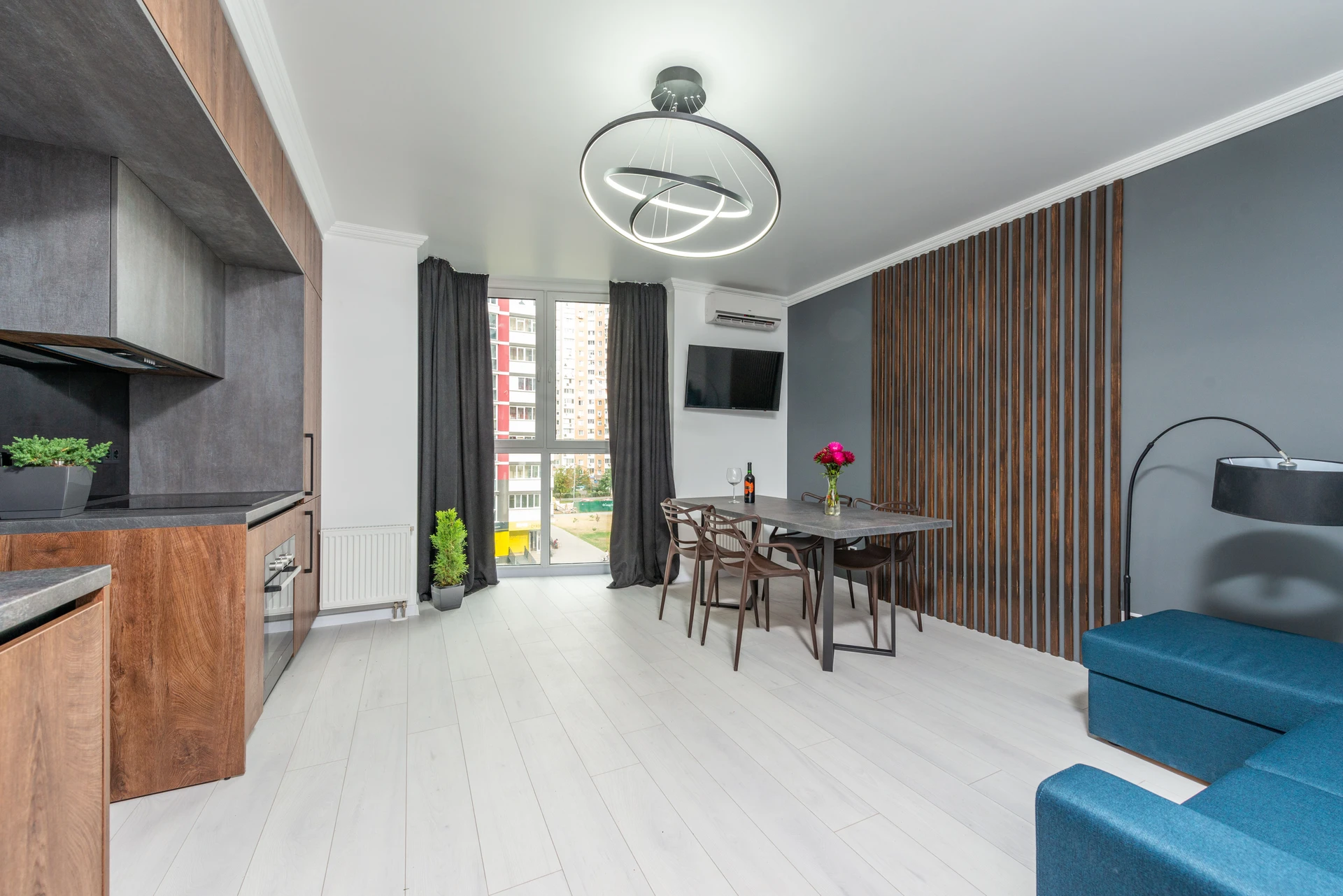
Hotel Apart-Collections for Business: New Format 2026
Hotel apart-collections are changing corporate accommodation rules: kitchens, flexible rates, and savings up to 23%. We break down the format travel managers choose in 2026.
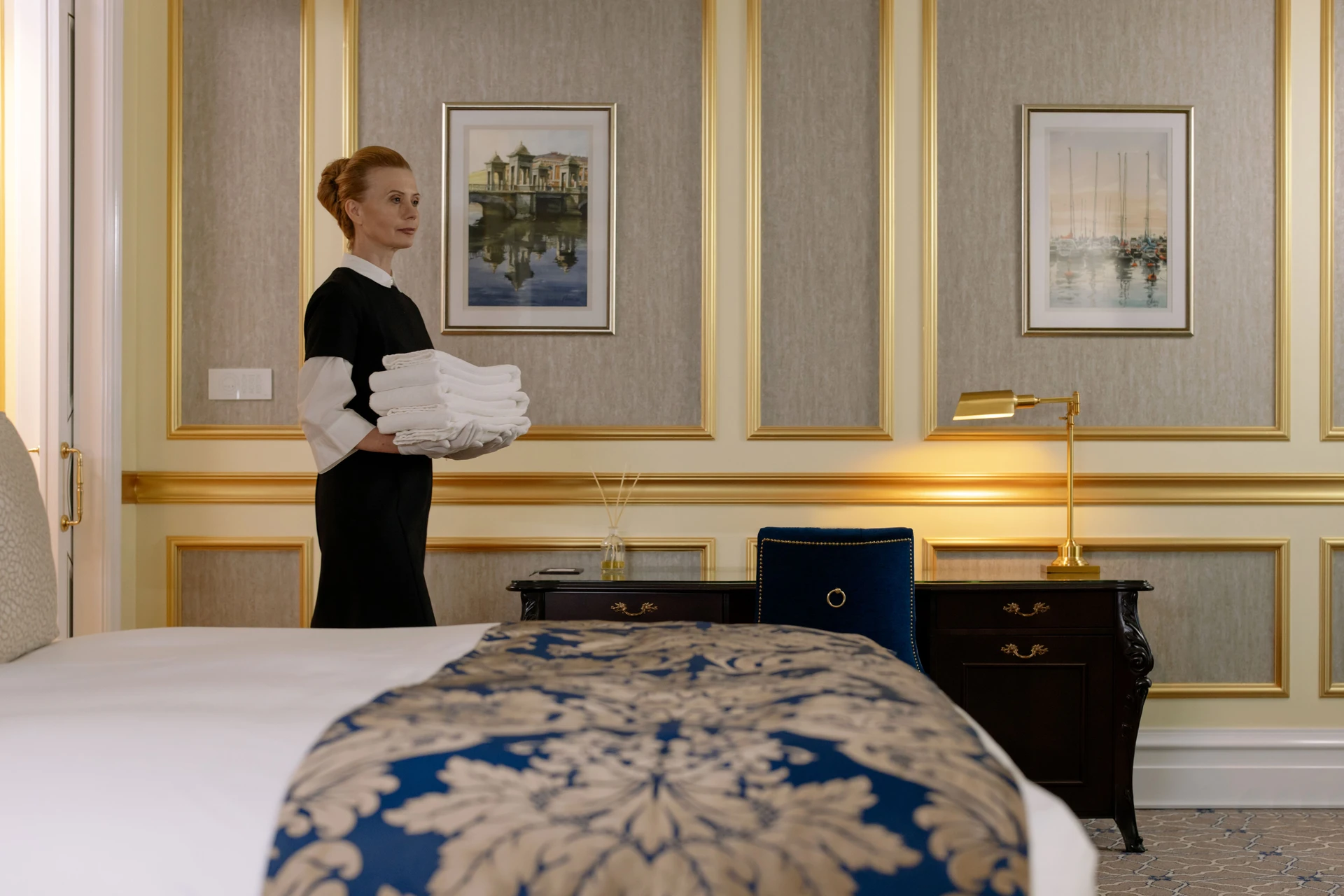
Three-Star Hotels for Business Travel: Budget Balance 2026
Three-star hotels cut expenses by 28–35% without sacrificing quality. We examine selection criteria, regional pricing, and common booking mistakes.
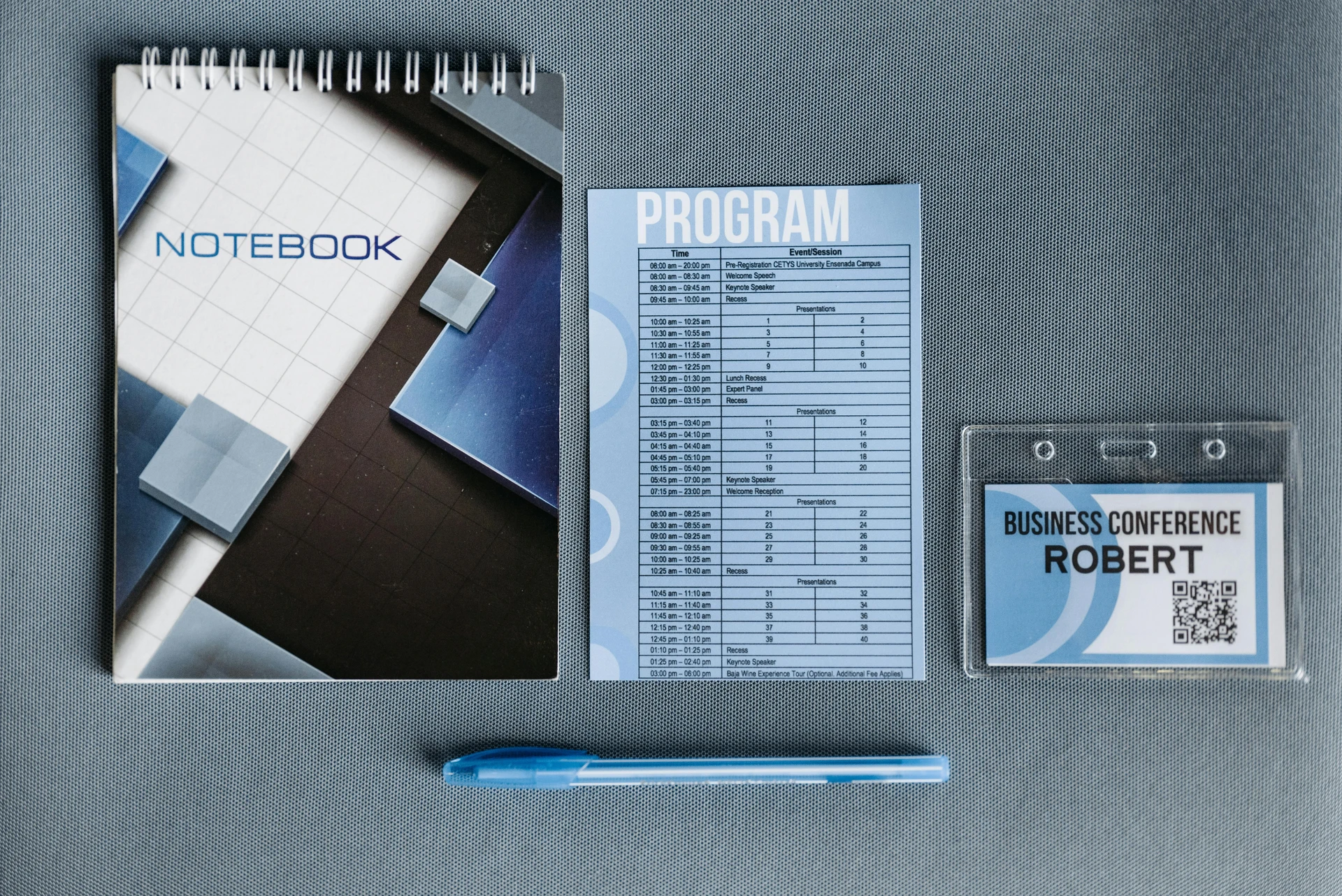
Hotel Group Booking for Conferences: 2026 Checklist
Step-by-step checklist for negotiating with hotels for corporate conferences: from calculating room blocks to cancellation terms. Real numbers and scenarios.
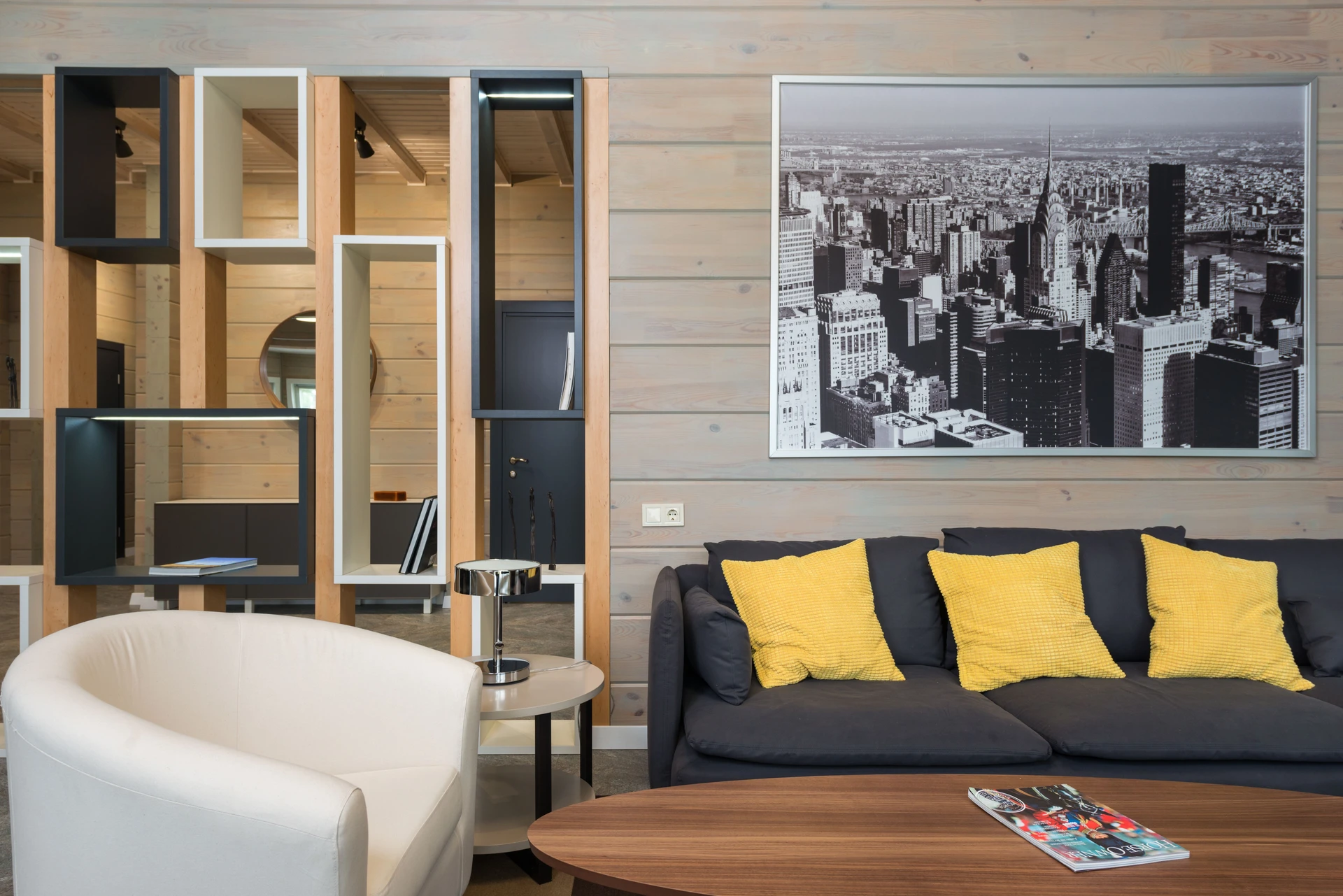
Serviced Apartments for Extended Business Trips
Real cost comparison of serviced apartments vs. hotels for business trips of 14+ days. Expense calculations, tax nuances, and selection criteria for travel managers.

Preferred Supplier Program with Hotels: 2026 Negotiation Guide
How to build a preferred supplier program with hotels and secure up to 25% discounts, guaranteed room availability, and real-time reporting — a step-by-step guide for travel managers.

Group Hotel Booking for Business with Up to 25% Discount
How corporations secure up to 25% discounts on hotels through group booking. We break down negotiation mechanics, volume contracts, and real savings cases in 2026.