
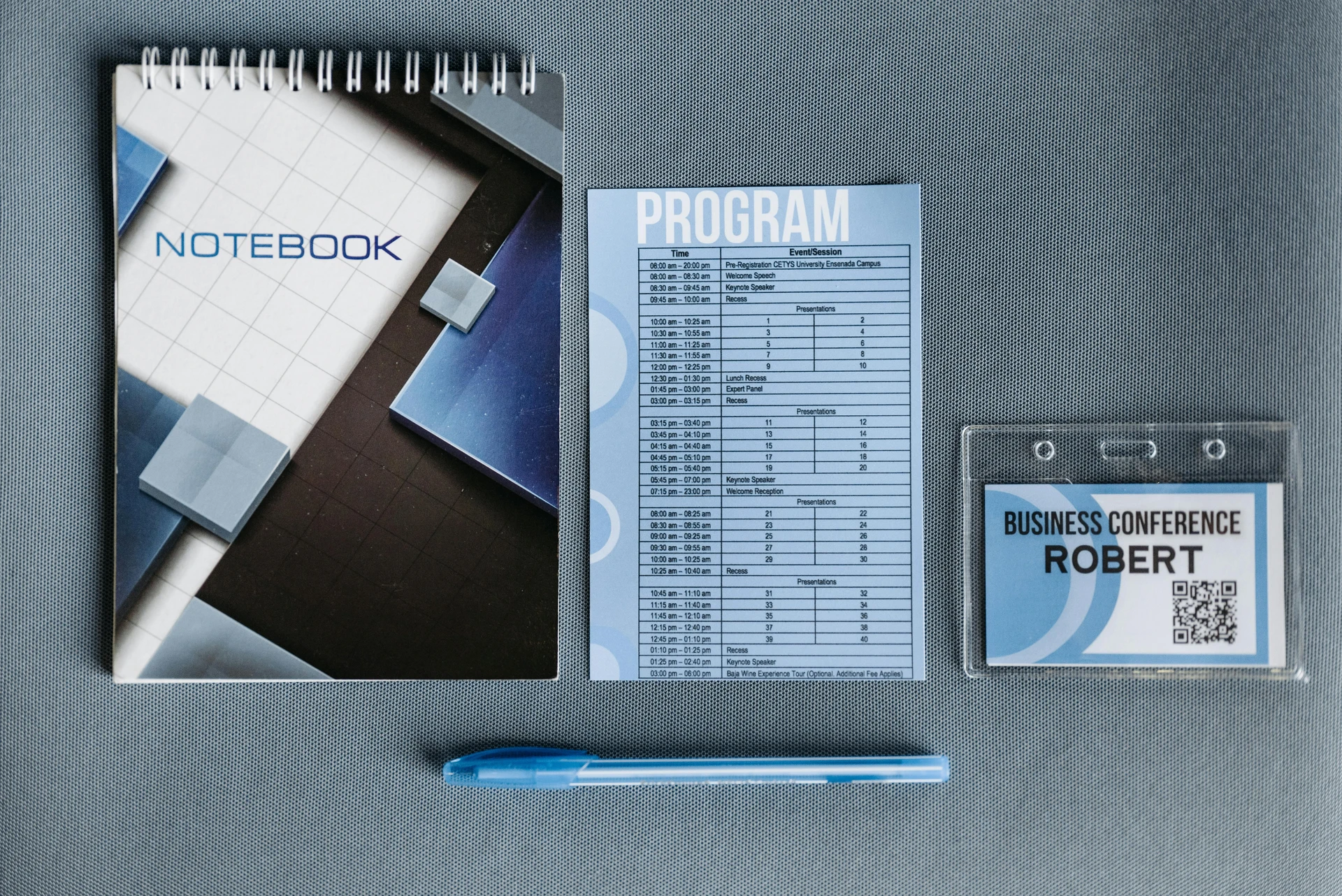
Why hotel negotiations require a structured approach
When a company organises a conference for 150-300 participants, hotel booking turns into a multi-move game. According to the American Express Meetings & Events Forecast 2025, the average cost of a mistake in group booking is 18% of the total event budget. The reason is simple: penalties for under-occupancy, unaccounted taxes, lack of flexibility in dates.
Typical scenario: a travel manager at an IT company books 80 rooms for three nights for an annual developer summit. The contract is signed six months in advance. Two weeks before the event, it turns out that 22 participants cancelled their arrival due to project changes. The hotel demands payment for all rooms - the attrition rate clause was signed but not worked through. Loss: €15,400.
The checklist below is built on analysis of 40+ contracts with 4-5 star hotels in Europe and CIS for 2023-2025. Each point is tied to real cases.
Stage 1: calculating room inventory and request format
The first mistake is asking the hotel for "approximately 100 rooms". Hoteliers reserve a block with a margin and build risks into the price. The right approach: participant segmentation.
Example calculation for a conference of 180 people:
- Speakers and top management (12 people): junior suite or executive room - 12 rooms
- Participants from regions (140 people): standard double - 70 rooms (two per room)
- Participants paying for accommodation themselves (28 people): standard single - 28 rooms
Total: 110 rooms, not 180. Savings at the start of negotiations - up to 38%.
In the request for proposal (RFP), specify:
- Exact check-in and check-out dates broken down by day (some participants may arrive a day earlier)
- Room types with desired square footage (for example, standard from 22 m²)
- Need for early check-in for organisers - usually a day before the conference
- Requirements for meeting rooms and halls (area, furniture arrangement, equipment)
Hotels are more willing to give discounts when they see detail. In GetOffers' experience, companies with a well-developed RFP receive offers 12-17% better than those who send a general request.
Stage 2: key contract terms
A contract for group hotel booking for a conference is not an offer from Booking.com. Everything here is negotiable.
Attrition rate
The hotel assumes that some rooms will remain empty. Standard formula: you must occupy at least 80% of the booked block, otherwise you pay a penalty for each unoccupied room.
What to demand:
- Attrition rate no higher than 75% (that is, penalty starts if less than 75% is occupied)
- Right to reduce the room block 45 days before the event without penalties
- Attrition calculation based on actually paid nights, not number of rooms (if a guest checked out a day early, this does not count as non-occupancy)
According to the Cvent Planner Sourcing Report 2024, 63% of hotels in Europe are willing to discuss attrition rates below 80% if booking is made 6+ months in advance.
Cut-off date
This is the date after which the hotel releases unbooked rooms from your block for free sale.
Standard: 30 days before the event. Problem: participants register for the conference late, especially if it is hybrid (online + offline).
What to demand:
- Cut-off date 21 days before the event
- Ability to extend the block by 10 additional rooms up to 14 days before check-in
- If the hotel sells rooms from your block before the cut-off date at a higher price, the difference is returned to the organiser (rare, but occurs in contracts with Marriott and Hilton when booking 100+ rooms)
Payment terms and deposit
Hotels require 25-50% prepayment 60-90 days before the event. The remainder - upon actual occupancy or within 7 days after check-out.
What to demand:
- Deposit no more than 20% when booking 6+ months in advance
- Ability to pay upon actual occupancy for standard category rooms (speaker rooms can be paid in advance)
- Invoicing to a legal entity with 14-day payment deferral after the event
- Single master account for the entire group, not individual invoices for each participant
A company organising a conference for 200 participants in Prague in October 2025 agreed with Hilton Prague to pay a 15% deposit 90 days in advance and the remainder within 21 days after check-out. This allowed them not to freeze €48,000 from working capital.
Stage 3: negotiating power and leverage
Hotels are willing to concede if they see long-term benefit or risk of losing the contract.
Leverage 1: repeat events
If your company holds conferences annually, mention this in the first letter. The phrase "we are considering a location for a series of events for 2026-2028" opens access to corporate rates.
Example: a manufacturing company from Germany signed a three-year contract with the Accor chain to hold annual dealer conferences in different European cities. Room discount - 22% off rack rate, fixed price for conference halls, free Wi-Fi for all participants.
Leverage 2: off-season dates
Hotels in business locations (Moscow, Frankfurt, Amsterdam) are busy on weekdays and empty on weekends. Conferences on Friday-Sunday give discounts up to 30%.
According to STR Global (Hotel Performance Insights 2025), average occupancy of business hotels in Europe on weekends is 54% versus 81% on weekdays. If your conference is flexible on dates, request offers for weekends.
Leverage 3: additional services in the package
Don't bargain only on room price. Demand inclusion of:
- Breakfasts (hotels usually charge €12-18 for continental breakfast, but with group booking may include for free)
- One compliment for organisers (room upgrade, late check-out)
- Free parking for speakers
- 10-15% discount on banquet menu for participant dinner
A company that organised a conference for 120 people in Warsaw received free breakfasts for all participants and upgrade to suite for three top managers. Savings: €2,160.
Stage 4: technical details that are forgotten
Rooming list
The hotel requires a final list of participants with full names, check-in/check-out dates, room type. Usually 14 days before the event.
What to consider:
- File format (Excel, CSV) and mandatory fields - request a template immediately
- Ability to make changes to the list until cut-off date without penalties
- Procedure for adding participants after cut-off date (usually by availability and at a higher price)
Invoices and closing documents
For accounting, detail is important.
What to demand:
- Separate lines in the invoice: accommodation, breakfasts, city tax, VAT
- Invoice in Russian (if the company is from Russia) or with translation of items
- Act of services rendered, signed by both parties
- Detail for each participant (who stayed in which room, how many nights)
Without detail, accounting may not accept expenses. Real case: a company did not receive VAT deduction of €6,200 because the hotel issued a general invoice without breakdown.
Cancellation policy
Standard: free cancellation of entire block 90 days out, partial cancellation (up to 20% of rooms) 60 days out, full payment when cancelling less than 30 days out.
What to demand:
- Free cancellation up to 60 days
- Ability to cancel up to 30% of rooms 45 days out without penalty
- Force majeure clause: if the event is cancelled due to natural disasters, pandemic, military action - full deposit refund
After COVID-19, hotels have become more willing to include flexible cancellation terms. According to the Skift Meetings 2024 Survey, 71% of hotels in Europe are willing to discuss extended cancellation terms when booking 50+ rooms.
Stage 5: final verification checklist before signing
Before signing, check:
Prices are fixed in the contract currency. If the contract is in euros and you pay from Russia, exchange rate difference is your risk. Discuss the possibility of payment in rubles at the Central Bank rate on the invoice date.
All taxes and fees are listed as separate lines. City tax, resort fee, service charge - these items can add 10-15% to the final amount.
Contract is signed by both parties and sealed. Email confirmation is not a contract. Demand a PDF with signatures.
Contacts of responsible persons are indicated. Full name, position, phone, email of the hotel manager who will handle your event. Not general [email protected], but direct contact.
Dispute resolution procedure is specified. Which law applies (hotel country or organiser country), pre-trial procedure, response times to claims.
There are appendices to the contract. Furniture layout plan in the conference hall, coffee break menus, technical rider (projector, microphones, flipcharts).
Group booking automation tools
Managing bookings for 80+ rooms manually via email is a path to errors. Platforms like GetOffers allow you to:
- Send RFP to multiple hotels simultaneously and compare offers in one interface
- Automatically generate rooming list from conference participant list
- Track which participants confirmed booking and which did not
- Receive a single invoice with all details for accounting
Companies using platforms for managing corporate travel save an average of 14% on group bookings due to price transparency and automation of routine processes (according to GBTA Business Travel Efficiency Report 2024).
Common mistakes and how to avoid them
Mistake 1: booking too late. Category 4-5 star hotels in popular business locations fill up 4-6 months in advance. If your conference is in September, start negotiations in March.
Mistake 2: ignoring reviews. Check hotel reviews on TrustYou, Google Maps, specialised forums. Pay attention to complaints related to conferences: soundproofing of halls, Wi-Fi speed, banquet service quality.
Mistake 3: no plan B. If a month before the conference the hotel suddenly closes for renovation (rare, but happens), you should have a backup option. When negotiating with the main hotel, request a soft hold at an alternative location.
Mistake 4: saving on a visit. Before signing a contract for a large event (100+ participants), visit the hotel in person. Check the actual condition of rooms, halls, talk to the event manager in person. Photos on the website may have been taken 5 years ago.
Negotiations in 2026: what has changed
Inflation in the European hotel sector in 2024-2025 was 7-9% (STR and Eurostat data). Hotels are raising prices, but simultaneously becoming more flexible in negotiations due to growing competition from aparthotels and coworking spaces with conference halls.
New trend: hotels offer hybrid packages - some participants live in the hotel, some connect online, the hotel provides a studio for broadcasting. If your conference is hybrid, discuss technical equipment for streaming.
Another point: sustainability. Large corporations (especially in Western Europe) require hotels to confirm ESG practices (energy efficiency, waste recycling, local products at breakfast). If this is important for your company, include relevant points in the RFP.
How GetOffers simplifies group booking
The GetOffers platform integrates the entire cycle of organising corporate events: from sending RFP to closing documents. Travel managers get access to a database of verified hotels with corporate rates, can compare terms in real time and automatically generate a contract taking into account all discussed points.
For conferences with 50+ participants, personal support is available: a GetOffers manager conducts negotiations with hotels, agrees on all details and delivers a ready package of documents. Average time savings - 12 hours per event.
FAQ
What is attrition rate in group hotel booking?
Attrition rate is the minimum percentage of rooms from the booked block that you must occupy. Standard value is 80%: if less is occupied, you pay a penalty for each empty room. During negotiations, you can reduce attrition rate to 75% and agree on the right to reduce the block 45 days out without penalties.
How many months in advance should you book a hotel for a conference of 150 people?
Category 4-5 star hotels in major cities fill up 4-6 months before the event. For a conference in September, start negotiations in March-April. Early booking gives access to corporate rates and flexible cancellation terms.
What deposit do hotels require for group booking?
Standard deposit is 25-50% of the cost of all rooms 60-90 days before the event. When booking 6+ months in advance, you can negotiate a 20% deposit and payment of the remainder upon actual occupancy or within 14 days after check-out.
What is cut-off date and how to negotiate it?
Cut-off date is the date after which the hotel releases unbooked rooms from your block for free sale. Standard: 30 days before the event. Demand a cut-off date of 21 days and the ability to extend the block by 10 additional rooms up to 14 days before check-in.
How to save on group hotel booking for a conference?
Five ways: 1) Detailed RFP with precise room calculation by category gives 12-17% discount. 2) Choosing off-season dates (weekends for business hotels) saves up to 30%. 3) Including breakfasts and parking in the package. 4) Long-term contracts for a series of events. 5) Using platforms like GetOffers to compare offers.
What documents are needed for accounting after group booking?
Demand from the hotel: invoice with line-by-line breakdown (accommodation, breakfasts, city tax, VAT), act of services rendered, detail for each participant (full name, dates, room type). Without detail, accounting may not accept expenses, including VAT deduction.
Ready to automate business travel?
GetOffers — AI platform for corporate travel management. Save 15–30% on business travel.
Related posts
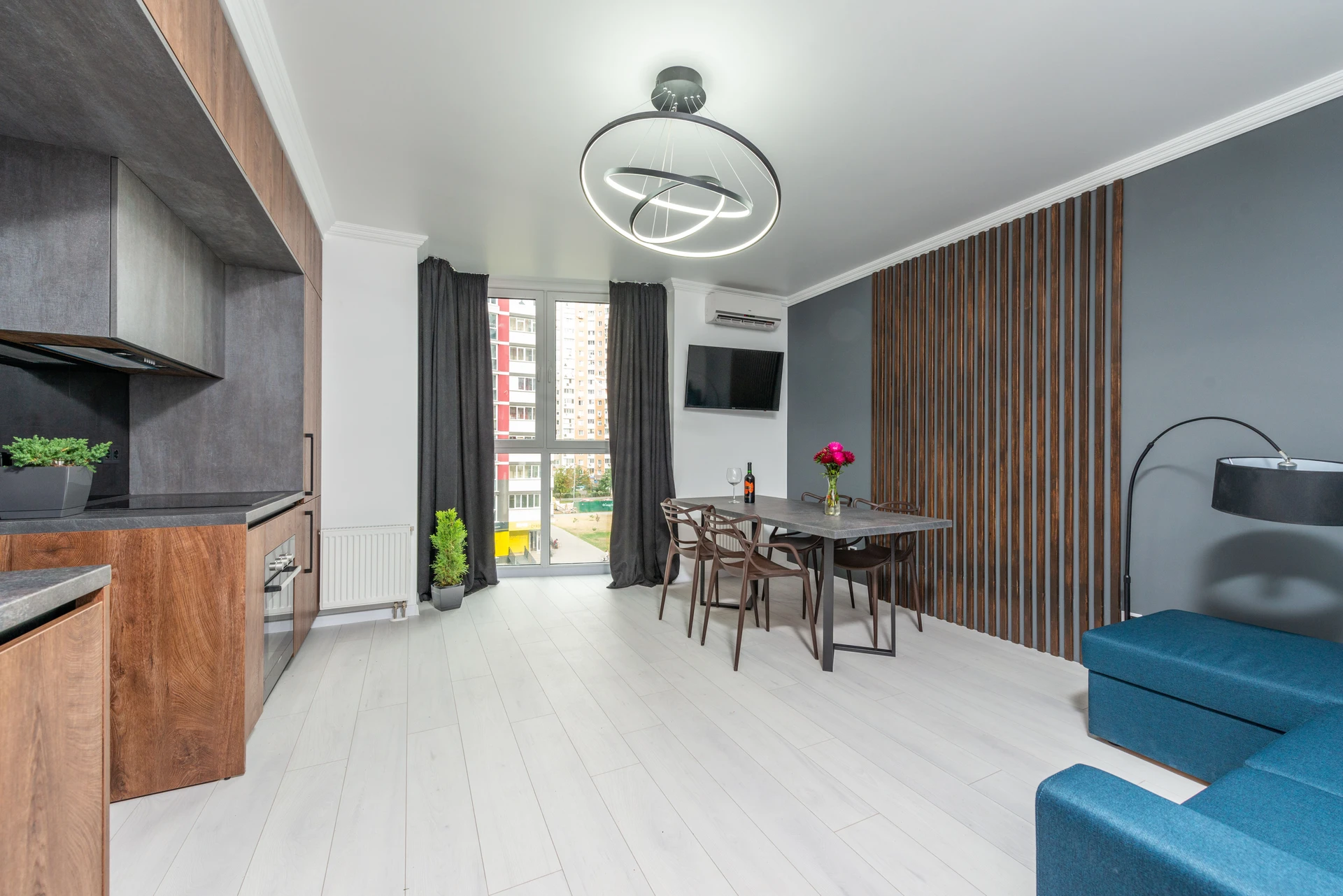
Hotel Apart-Collections for Business: New Format 2026
Hotel apart-collections are changing corporate accommodation rules: kitchens, flexible rates, and savings up to 23%. We break down the format travel managers choose in 2026.
Three-Star Hotels for Business Travel: Budget Balance 2026
Three-star hotels cut expenses by 28–35% without sacrificing quality. We examine selection criteria, regional pricing, and common booking mistakes.
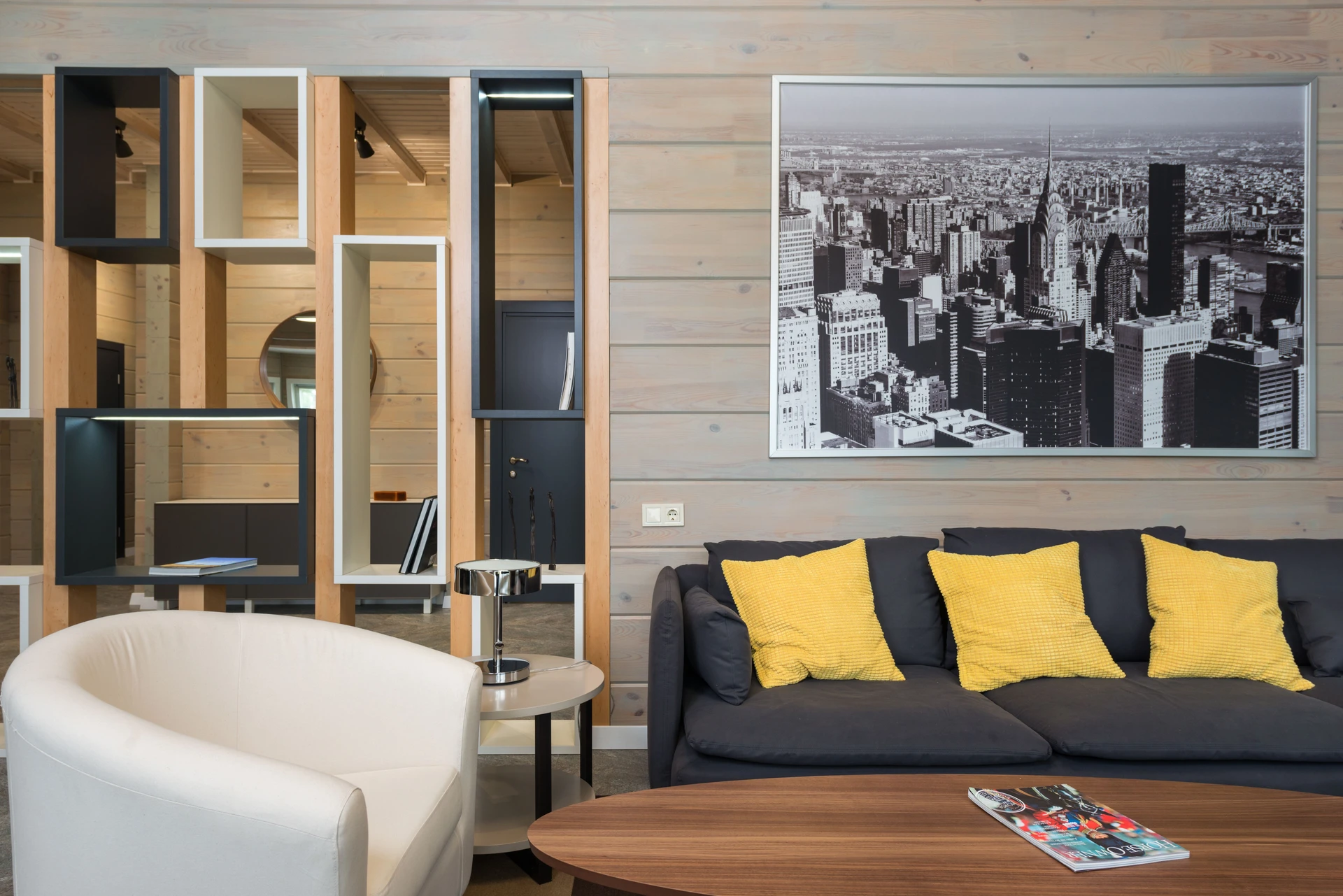
Serviced Apartments for Extended Business Trips
Real cost comparison of serviced apartments vs. hotels for business trips of 14+ days. Expense calculations, tax nuances, and selection criteria for travel managers.

Hotel Corporate Programme: Negotiating 15%+ Discounts in 2026
Step-by-step guide to negotiating with hotels for corporate programmes. How to secure 15%+ discounts, which metrics to prepare, and where to find leverage.
Preferred Supplier Program with Hotels: 2026 Negotiation Guide
How to build a preferred supplier program with hotels and secure up to 25% discounts, guaranteed room availability, and real-time reporting — a step-by-step guide for travel managers.

Group Hotel Booking for Business with Up to 25% Discount
How corporations secure up to 25% discounts on hotels through group booking. We break down negotiation mechanics, volume contracts, and real savings cases in 2026.