

What a preferred supplier program hotel delivers to companies booking 50+ nights per month
When your employees stay in the same cities regularly, scattered bookings through OTAs turn into missed opportunities. A preferred supplier program with hotels lets you consolidate demand and exchange it for fixed rates, priority service, and transparent reporting.
According to a 2024 study by the Association of Corporate Travel Executives, companies with active preferred programs save an average of 18-22% on accommodation compared to public corporate rates. But the figure varies: small companies (up to 100 employees) get around 12% off, mid-sized firms (100-500 people) secure up to 20%, and large corporations booking over 1,000 nights per month negotiate reductions of 25% or more.
The program works beyond price alone. You get guaranteed room availability during peak dates, free cancellation until 6 PM on arrival day (instead of the standard 24 hours), late check-out for senior executives, and monthly summaries of all bookings in a unified format. For a travel manager, this means less time on routine tasks and more data for expense analysis.
How to identify which hotels to negotiate with first
Start with an audit of bookings over the past 12 months. Export data from your corporate booking system, accounting spreadsheets, or corporate card statements. You need three parameters: city, hotel name, and number of nights.
Sort by descending volume. If one hotel accounts for 30+ nights per year, it's already a candidate for negotiation. If your employees stay in five different hotels in one city but spend 80 nights there in total, consolidate demand into one or two chains.
Example: An IT company from Moscow with a development office in Kazan sends 6-8 employees there monthly for 3-5 days. Over a year, that adds up to about 240 nights. Previously, they booked through Booking.com across three different hotels at 4,500-5,200 rubles per night. After signing a preferred agreement with one chain, they secured a fixed rate of 3,600 rubles, complimentary breakfast, and a dedicated account manager who resolves issues by phone in 15 minutes.
Pay attention to business travel geography. If your sales managers travel to 15 cities but stay only 10 nights per year in each, a preferred program with a global chain (Marriott, Hilton, Accor, IHG) will deliver more value than piecemeal arrangements with independent hotels.
Five negotiation parameters that matter more than the base discount
Many travel managers focus solely on the discount percentage. But real savings come from a package of conditions.
Cancellation policy. Standard corporate rates require 24-hour cancellation notice. In a preferred program, you can negotiate free cancellation until 6 PM on arrival day or even noon. When a flight is delayed or a meeting is cancelled at the last moment, this saves your budget. GBTA estimates that companies lose up to 8% of their accommodation budget to late cancellation penalties.
Guaranteed room availability. Write into the contract that the hotel reserves a minimum of 2-3 rooms for your company on any date (or 5% of total room inventory for large corporations). This is critical during conference season and holidays, when public rates disappear a month before the event.
Complimentary services. Early check-in and late check-out (until 2-4 PM) at no extra charge, free premium Wi-Fi (standard speeds are often insufficient for video calls), airport transfers for senior executives. One major retailer from Saint Petersburg included free laundry for up to three garments on trips of five nights or longer - a small touch, but employees appreciated it.
Unified reporting. Demand a monthly report in Excel or CSV with fields: check-in date, check-out date, guest name, booking number, cost, payment method. This simplifies reconciliation with accounting and pattern analysis. Some chains provide access to an online dashboard where you see all active and completed bookings in real time.
Escalation and SLA. Assign a dedicated account manager on the hotel side and specify response times: 2 hours during business hours for standard queries, 30 minutes for urgent issues (for example, an employee has arrived but the room isn't ready). Include an escalation contact if the manager is unavailable.
How to structure negotiations: a step-by-step checklist
Step 1: Prepare the numbers. Gather 12 months of data: number of nights per hotel or chain, average cost per night, total spend. If you lack a unified system, request statements from accounting. Hotels want to see the volume you can guarantee.
Step 2: Define target metrics. Decide how many nights per year you're willing to commit to one hotel or chain. Don't promise 500 nights if you've historically booked 200 - the hotel will check performance and may revise terms after a year. Better to start with a realistic figure and renegotiate the contract as volume grows.
Step 3: Choose the contact format. For independent hotels, write directly to [email protected] or call the corporate sales manager. For chains, look for the regional corporate sales manager on LinkedIn or on the chain's website under "For companies." Major chains (Marriott, Hilton, Accor) have dedicated teams for working with corporate clients in Russia and the CIS.
Step 4: Send an RFP (request for proposal). Briefly describe your company, booking volume (city, nights per year, average length of stay), desired terms (discount range, cancellation policy, additional services), and response deadline (usually 10-14 days). Attach a table with historical data.
Step 5: Conduct negotiations. The hotel will send a proposal. Compare it to current spend. If the discount is less than 15% and your volume is substantial (200+ nights per year), ask for more or add non-monetary benefits: free upgrades when available, complimentary meeting room once per quarter, priority check-in.
Step 6: Lock it into a contract. Don't rely on verbal promises. All terms - rates, cancellation policy, availability, reporting, contacts - must be in a written agreement. The term is usually 12 months with an option to renew.
Step 7: Implement in corporate policy. Update your travel policy: specify preferred hotels for each city, explain to employees why it's important to book there (savings, cancellation convenience, support). If you use a TMC or corporate booking platform, upload the negotiated rates there.
Common mistakes that erode the value of a preferred program
Lack of compliance control. You negotiated a 20% discount with Hilton, but half your employees continue booking through Booking.com because "it's more familiar." Result: the hotel sees low pickup (percentage of agreement usage), and next year offers worse terms or refuses to renew altogether. Solution: integrate preferred rates into your corporate booking system, block the ability to book outside policy, or introduce an approval process for exceptions.
Ignoring seasonality. You fixed a rate of 5,000 rubles per night but didn't clarify whether it applies during major exhibitions and conferences. The hotel may apply blackout dates or a surcharge. Write into the contract that the negotiated rate is valid 365 days a year, or agree on a list of blackout dates in advance.
No quarterly review. Markets change. Six months after signing the contract, a new hotel with better terms opens in your city, or your preferred partner's service quality declines. Schedule a meeting with the account manager once per quarter: discuss statistics, problems, and the possibility of improving terms as volume grows.
Underestimating small cities. Many focus on Moscow and Saint Petersburg, forgetting regional destinations. But in Kazan, Yekaterinburg, Novosibirsk, and Krasnodar, independent hotels are more willing to negotiate and offer discounts up to 30%, because corporate demand is critical for them.
When a preferred program isn't needed: three scenarios
If your company sends employees on business trips fewer than 10 times per year and each time to a new city, the administrative effort of negotiating won't pay off. It's simpler to use TMC corporate rates or public OTA offers.
If your travel policy has a strict cap (for example, no more than 3,000 rubles per night in the regions) and employees easily find options in that range, a preferred program may not deliver noticeable savings. But it's useful if the cap is frequently breached or you have to pay extra due to lack of rooms.
If the company is growing rapidly and business travel geography changes every quarter, long-term arrangements with specific hotels risk becoming obsolete. In that situation, it's better to work with global chains covering dozens of cities, or use dynamic corporate platforms that automatically apply the best available rates.
How to scale a preferred program across multiple countries
When your company opens offices in other countries or regularly sends employees abroad, negotiating with local hotels becomes labor-intensive. Global chains offer multi-country agreements: you sign one contract with the chain's head office, and it applies to all countries where they operate.
For example, Marriott International manages over 8,000 hotels in 139 countries. One global corporate rate gives your employees a fixed discount (usually 10-15% off the best available rate) at any hotel in the chain worldwide. For companies with volume from 1,000 nights per year, the chain may offer a customized program with a higher discount and a dedicated global account manager.
When negotiating with a global chain, consider currency risks. If the contract is in dollars or euros and your budget is in rubles, exchange rate fluctuations can eat up the savings. Some chains agree to fix rates in local currency for key markets.
Automation tools: how technology simplifies preferred supplier management
Corporate booking platforms (TravelPerk, Navan, SAP Concur) allow you to upload negotiated rates directly into the system. An employee sees the preferred hotel in the top position of search results with a "Company recommended" label and a fixed price. The system automatically applies the corporate rate without needing to enter a promo code or call the hotel.
Some platforms (for example, GetOffers) integrate with hotels via API and pull booking data in real time. The travel manager sees a dashboard: how many nights are booked at preferred hotels, what percentage of employees comply with policy, where deviations occur. This simplifies quarterly reviews and contract renewal negotiations.
For companies working with a TMC, request a hotel program performance report from the agency. Good TMCs provide analytics: savings report (how much you saved thanks to preferred rates), compliance rate (percentage of bookings within the program), leakage analysis (where employees book outside policy and why).
Checklist for launching a preferred supplier program in 2026
- Export booking data for 12 months and identify the top 5 destinations by night volume.
- Calculate the current average cost per night in each city.
- Compile a list of target hotels or chains (minimum 30 nights per year per property).
- Prepare an RFP specifying volume, desired terms, and response deadline.
- Send requests to regional sales managers (for chains) or directly to the sales department (for independent hotels).
- Compare received proposals: not just the discount, but also cancellation policy, availability, and additional services.
- Select 2-3 preferred partners and lock terms into a written agreement for 12 months.
- Update your corporate travel policy and upload negotiated rates into the booking system.
- Conduct onboarding for employees: explain how and where to book, why it benefits the company.
- Schedule quarterly meetings with account managers to review statistics and resolve issues.
- After 6 months, assess savings, compliance rate, and employee satisfaction; adjust the preferred supplier list if necessary.
A properly structured preferred supplier program saves not only money but also the travel manager's time. Instead of searching for hotels for dozens of trips every month, you get predictable rates, transparent reporting, and dedicated support. Start with one or two key destinations, test the model, and scale to other cities as booking volume grows.
FAQ
What minimum booking volume is needed to launch a preferred supplier program with hotels?
Most hotels are willing to discuss preferred rates at volumes from 30 nights per year per property. Global chains (Marriott, Hilton, Accor) typically require a minimum of 100-200 nights per year for a customized program. If your volume is lower, start with public corporate rates from chains or consolidate demand in one or two cities.
How do you measure the effectiveness of a preferred supplier program?
Track three metrics: savings (difference between public price and negotiated rate, multiplied by number of nights), compliance rate (percentage of bookings at preferred hotels out of total), cancellation cost (sum of cancellation penalties). Request a quarterly report with these data from the hotel or TMC and compare with metrics before launching the program.
What should you do if employees ignore preferred hotels and book through OTAs?
Integrate negotiated rates into your corporate booking system so preferred options appear first. Explain the benefits to employees: free cancellation until 6 PM, guaranteed availability, dedicated manager support. For critical cases, introduce an approval process for policy deviations with the travel manager or supervisor.
Can you revise the terms of a preferred agreement before the contract term ends?
Yes, if your booking volume has grown significantly (for example, from 200 to 500 nights per year) or market conditions have changed. Contact the account manager, provide current statistics, and request a terms review. Hotels are interested in retaining major clients and often accommodate requests when volume increases.
How do you work with preferred suppliers in different countries?
For companies with international business travel, it's more convenient to sign a global corporate agreement with a chain that operates in the needed countries. One contract gives a fixed discount (usually 10-15%) at all chain hotels worldwide. Consider currency risks: if the contract is in dollars and your budget is in rubles, exchange rate fluctuations can reduce savings.
Ready to automate business travel?
GetOffers — AI platform for corporate travel management. Save 15–30% on business travel.
Related posts
Hotel Apart-Collections for Business: New Format 2026
Hotel apart-collections are changing corporate accommodation rules: kitchens, flexible rates, and savings up to 23%. We break down the format travel managers choose in 2026.
Three-Star Hotels for Business Travel: Budget Balance 2026
Three-star hotels cut expenses by 28–35% without sacrificing quality. We examine selection criteria, regional pricing, and common booking mistakes.
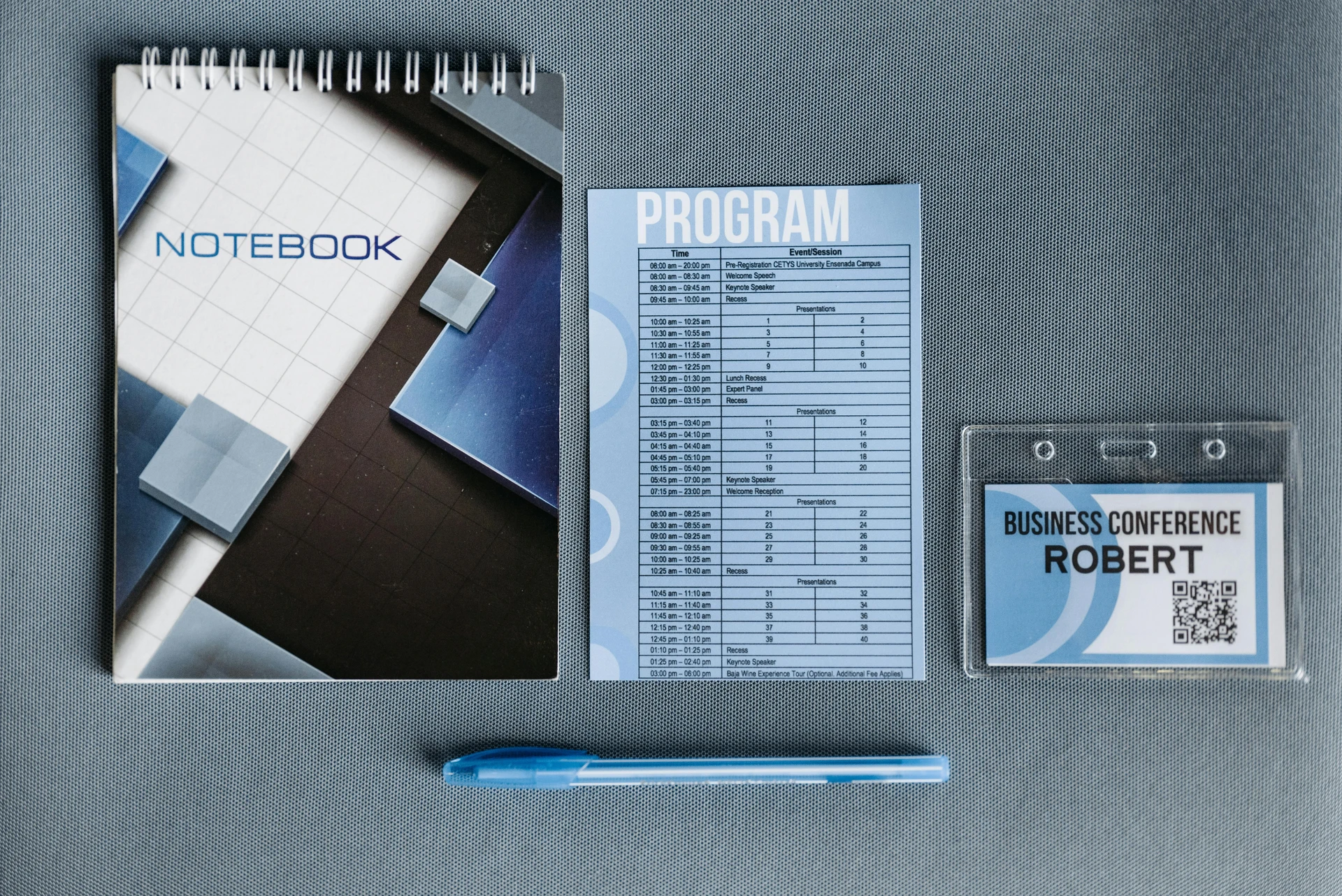
Hotel Group Booking for Conferences: 2026 Checklist
Step-by-step checklist for negotiating with hotels for corporate conferences: from calculating room blocks to cancellation terms. Real numbers and scenarios.

Serviced Apartments for Extended Business Trips
Real cost comparison of serviced apartments vs. hotels for business trips of 14+ days. Expense calculations, tax nuances, and selection criteria for travel managers.

Hotel Corporate Programme: Negotiating 15%+ Discounts in 2026
Step-by-step guide to negotiating with hotels for corporate programmes. How to secure 15%+ discounts, which metrics to prepare, and where to find leverage.

Group Hotel Booking for Business with Up to 25% Discount
How corporations secure up to 25% discounts on hotels through group booking. We break down negotiation mechanics, volume contracts, and real savings cases in 2026.